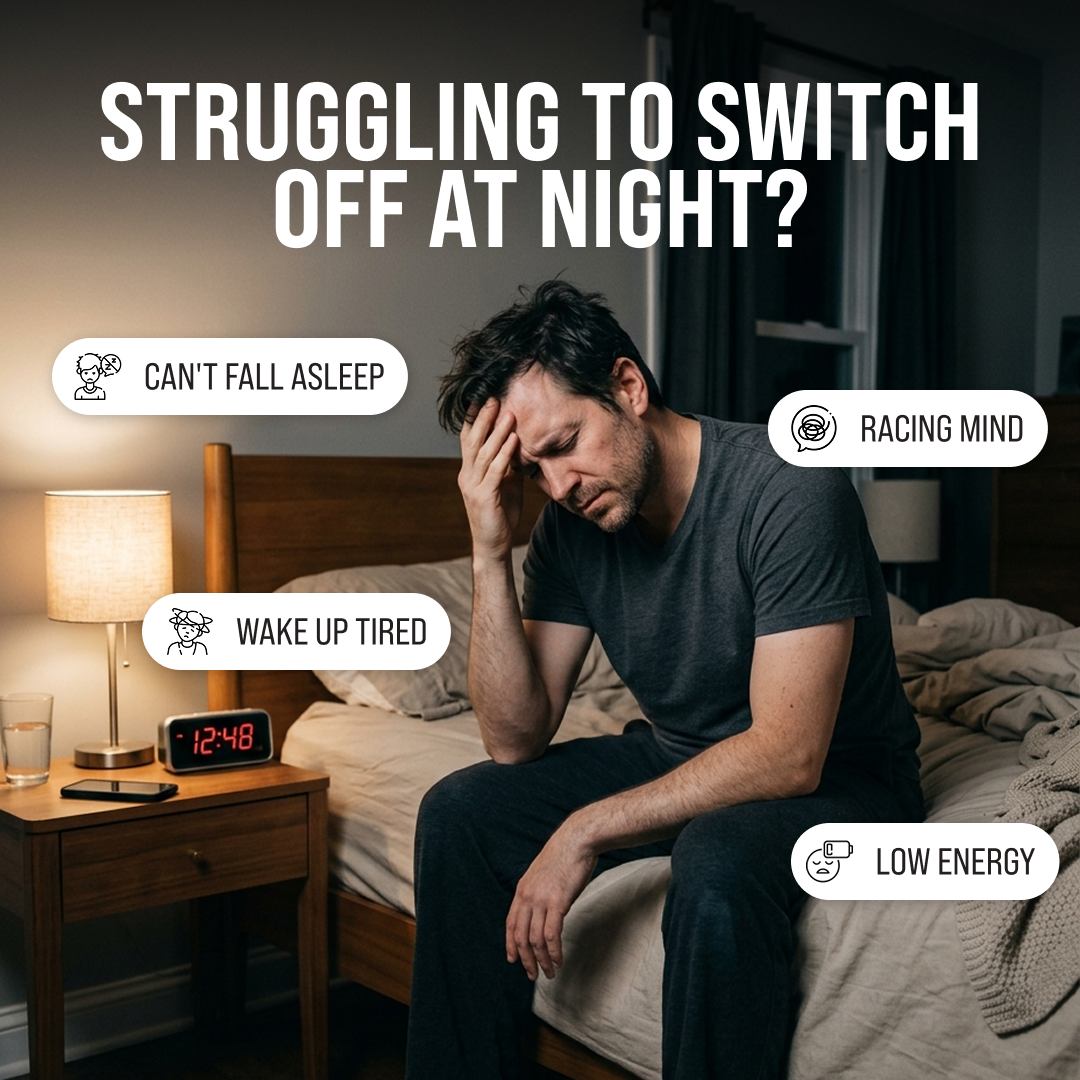


There's a difference between the satisfying tiredness of a good session and the dragging, persistent exhaustion that follows you around for hours — or days — after training. If every workout leaves you wiped out, something in your recovery equation is off.
Here are the most common culprits — and what to do about each one.
1. You're Under-Recovering, Not Over-Training
The first instinct when fatigue sets in is often to question whether you're training too hard. Sometimes that's true — but more often, the training load isn't the problem. The problem is what happens (or doesn't happen) in between sessions.
Adaptation doesn't occur during training. It occurs during recovery. If your sleep, nutrition, and stress management aren't adequate for the training load you're carrying, fatigue accumulates regardless of how well-designed your programme is.
2. Dehydration and Electrolyte Depletion
Even mild dehydration — as little as 2% of body weight — causes measurable increases in perceived exertion and fatigue. Most athletes finish sessions in a dehydrated state and don't fully rehydrate before their next one.
The issue isn't just fluid — it's electrolytes. Sodium drives fluid retention in the body. Rehydrating with plain water without replacing sodium means much of that fluid is excreted rather than retained. Slip & Flow Electrolytes with 770mg of sodium per serving restores both fluid and electrolyte balance properly.
3. Poor Sleep Quality
You can sleep 8 hours and still wake up exhausted if the quality of that sleep is poor. Deep slow-wave sleep — where growth hormone release and physical recovery occur — can be disrupted by stress, alcohol, late eating, high core body temperature, and magnesium deficiency.
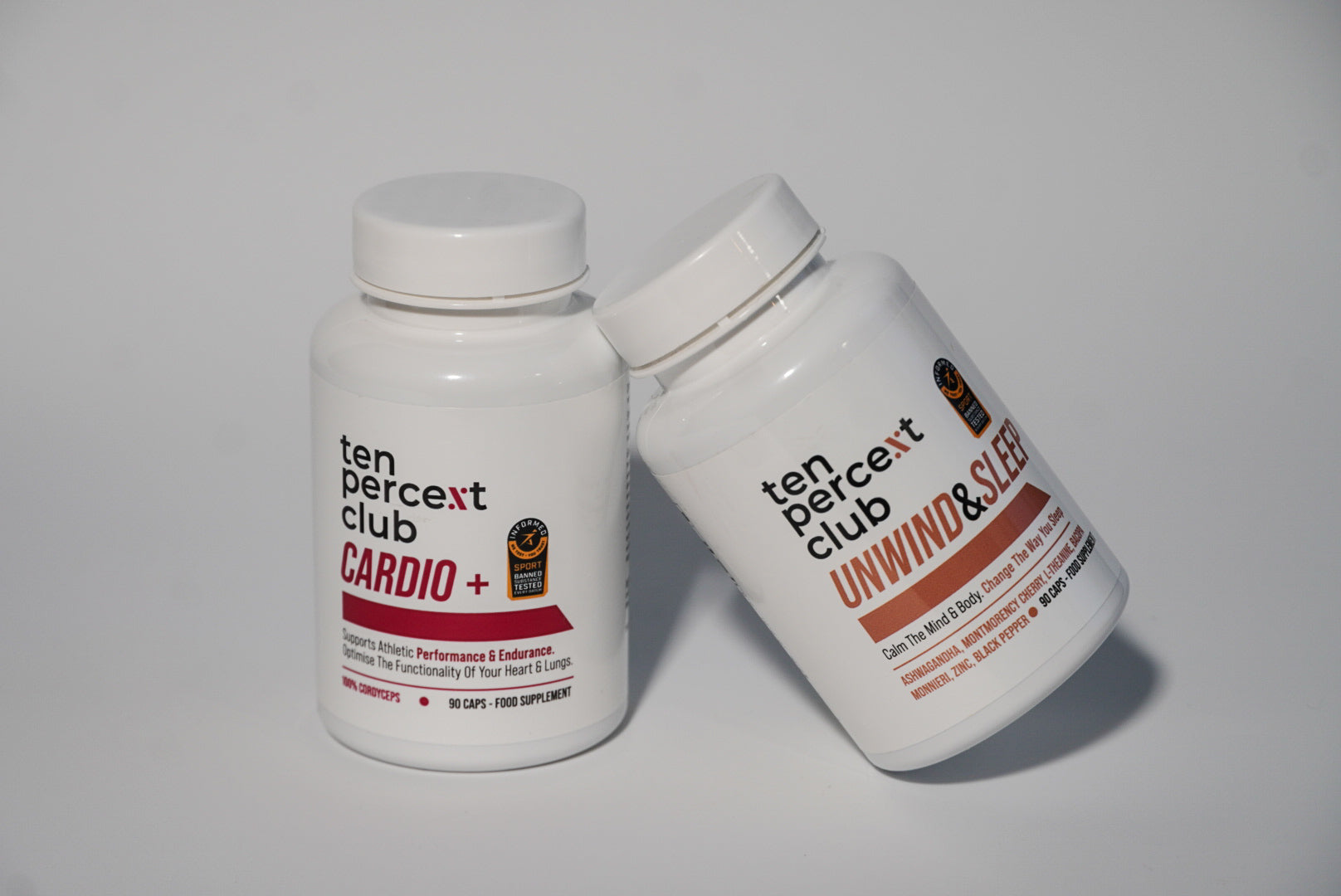
Super Magnesium taken 60–90 minutes before bed activates GABA receptors in the brain, supporting deeper, more restorative sleep. Unwind & Sleep Blend adds ashwagandha and L-theanine for a more comprehensive approach to pre-sleep cortisol management.
4. Inadequate Post-Workout Nutrition
Training depletes muscle glycogen and triggers muscle protein breakdown. Without adequate carbohydrate and protein in the post-exercise window, your body struggles to initiate the repair process — leaving you fatigued longer than necessary. A 3:1 carbohydrate-to-protein ratio within 60–90 minutes of training is a well-evidenced starting point.
5. Chronic Low-Grade Stress
Psychological stress and physical training stress share the same hormonal pathway — the HPA axis and cortisol response. If work, sleep deprivation, or life stressors are keeping your cortisol elevated, your body is carrying a background load that adds to your training fatigue.
Ashwagandha has robust evidence for reducing cortisol levels and perceived stress — found in Unwind & Sleep Blend.
6. Low Energy Availability
Common in athletes who are training for weight-class sports or aesthetic goals — if you're burning significantly more than you're consuming, fatigue is inevitable. Low energy availability suppresses thyroid function, reduces testosterone, impairs immune function, and makes everything feel harder.
7. Magnesium or Iron Deficiency
Both are common in athletes and both cause significant fatigue. Magnesium deficiency is widespread in the UK population and worsened by training. Iron deficiency is particularly common in female athletes and endurance athletes. A blood panel with your GP can identify deficiencies that supplementation alone won't catch.
Address the root causes of training fatigue:
Slip & Flow — Rehydrate properly with 770mg sodium
Super Magnesium — Deep sleep and muscle recovery support
Unwind & Sleep Blend — Cortisol management and sleep quality
Shop Recovery Range →Train hard. Recover harder.
Informed Sport certified recovery supplements — built for athletes who take it seriously.
Shop RecoveryFurther reading: The Athlete's Guide to Recovery · How to Improve Sleep Quality Naturally