
While most fitness conversations focus on reps, macros and training splits, some of the most significant health research to land this month had nothing to do with the gym floor at all — it was about sleep. Researchers have identified the specific brain circuitry that links deep sleep with the release of growth hormone, revealing a feedback loop between the two that helps explain how sleep quality and physical recovery are far more tightly connected than most people realise.
It’s a neat scientific confirmation of something that’s been suspected for years: deep sleep isn’t passive downtime. It’s an active, hormonally driven recovery process — one that builds muscle, burns fat and supports brain function, largely while you’re doing nothing at all except lying still with your eyes closed.
Why this gets overlooked
Training and nutrition are visible, trackable, and easy to obsess over. Sleep is harder to measure and easier to sacrifice — to a late session, a scrolling habit, or just the general pace of life. But if growth hormone release genuinely depends on getting into deep sleep, then skipping it isn’t a minor inefficiency. It’s undercutting the very process your training is supposed to trigger.
Where this leaves your evening routine
• Consistency in sleep timing matters as much as duration — irregular patterns disrupt the deep sleep windows this research is describing
• Heat, screens and late caffeine all interfere with the ability to drop into deep sleep, not just fall asleep
• Recovery-focused supplementation earlier in the evening can support the wind-down process rather than fighting against it
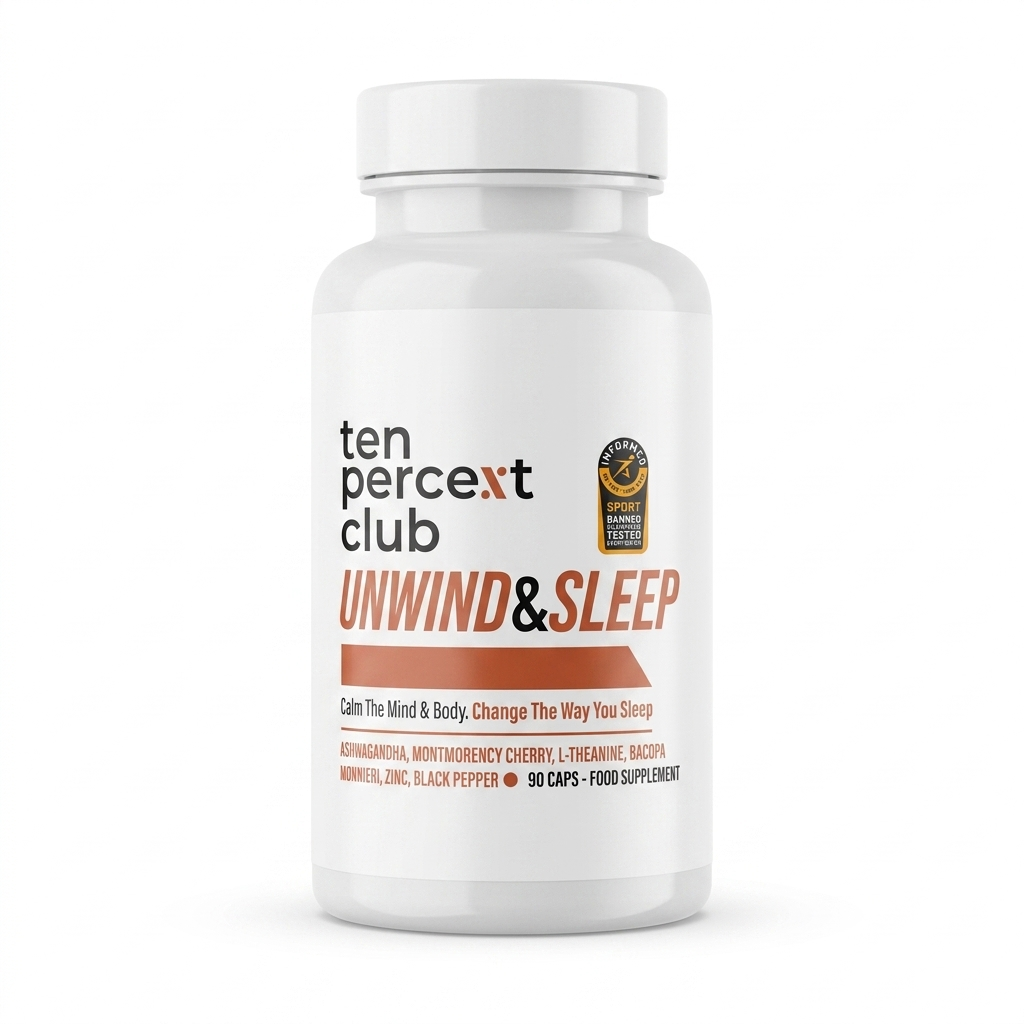
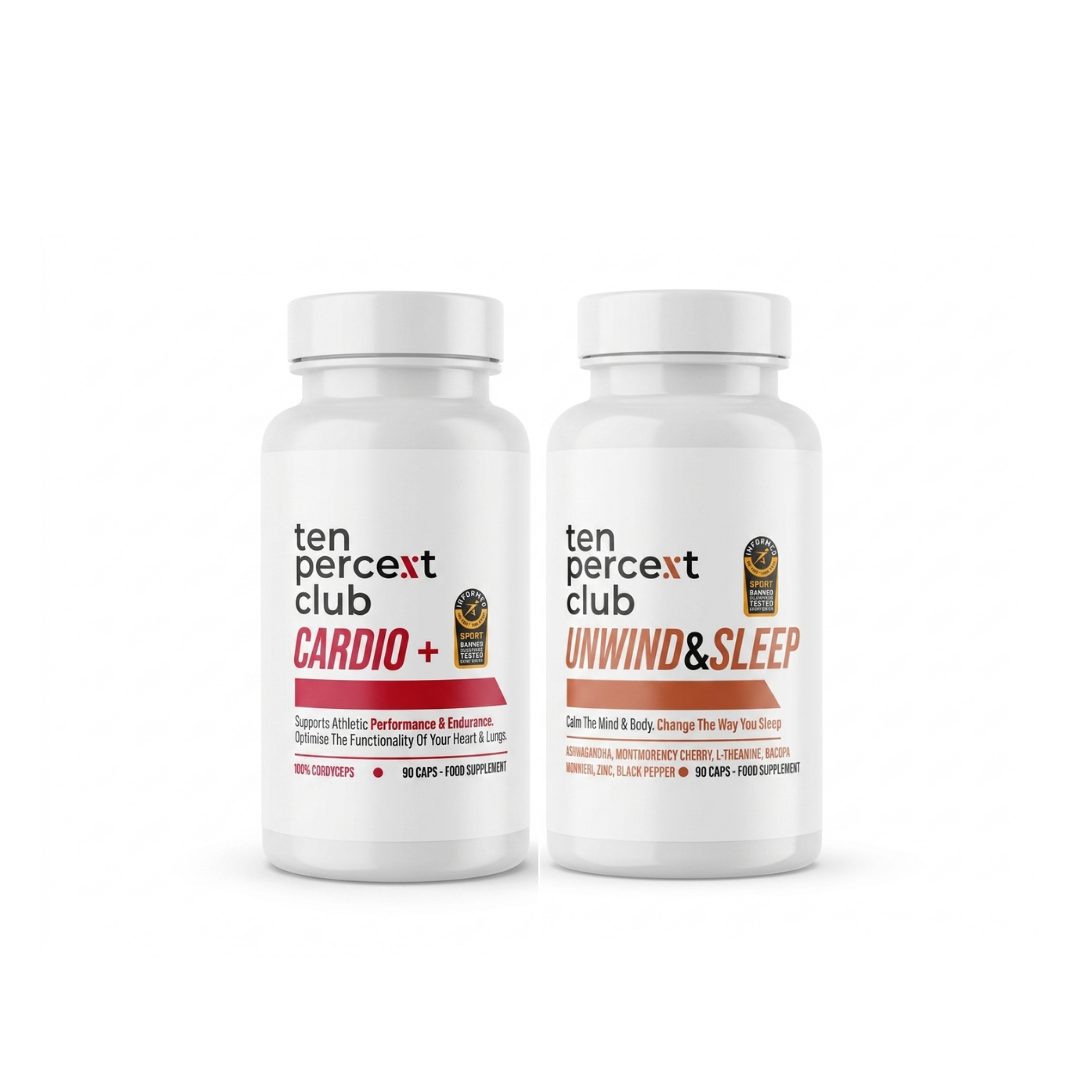
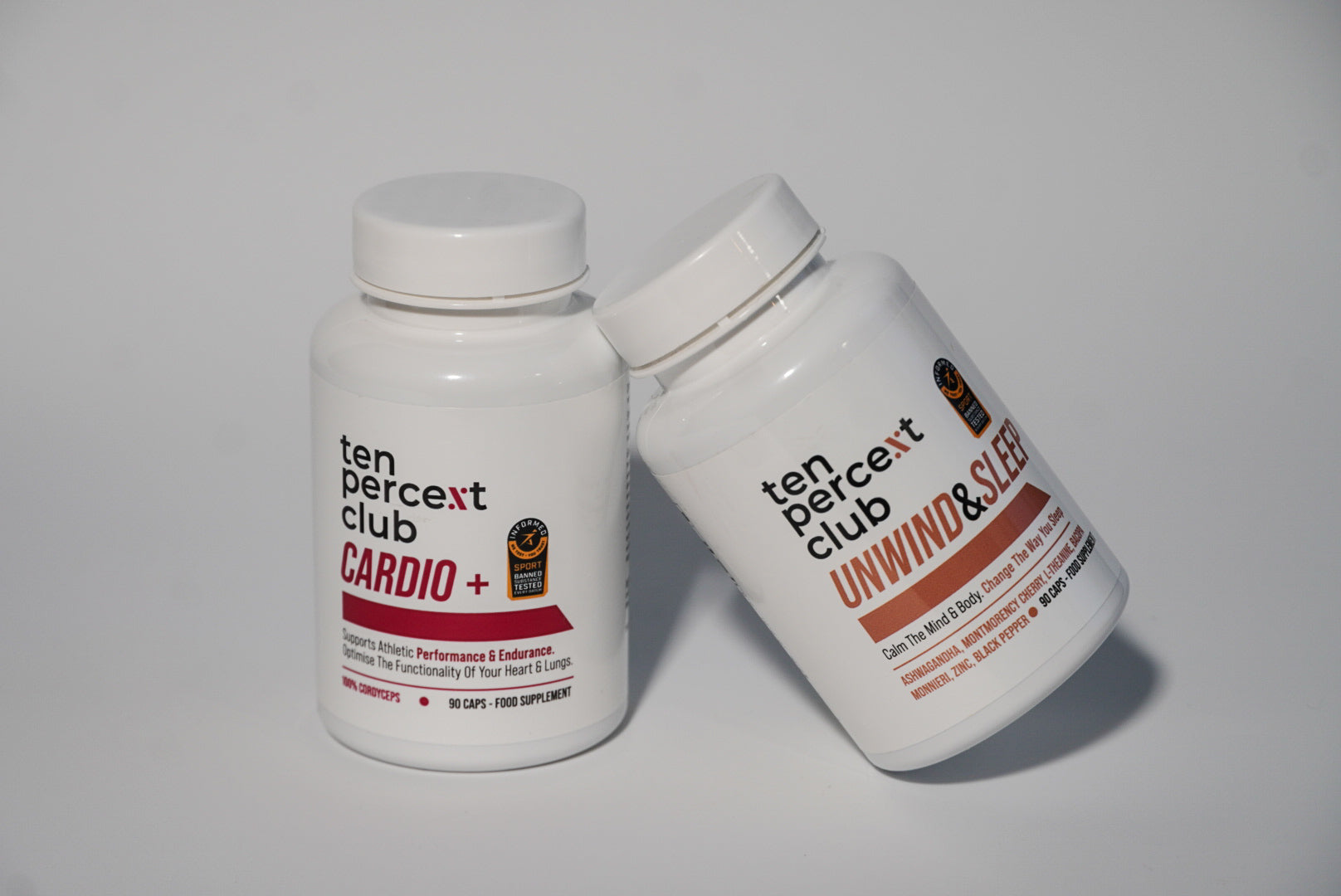
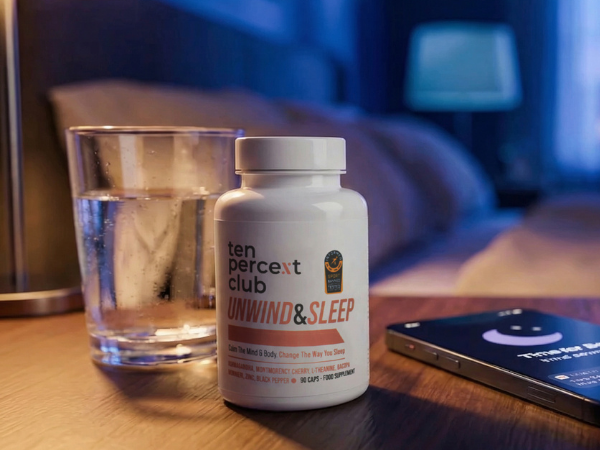
This is exactly why we built our Unwind & Sleep Blend the way we did — designed to support the transition into quality rest, not just knock you out. As the science around sleep’s role in muscle repair and fat metabolism gets sharper, treating sleep as a genuine part of your training stack — rather than whatever’s left over after everything else — is looking less like a wellness trend and more like basic physiology.
Train hard. Recover properly. The second half of that sentence just got a lot more scientific backing.