There's a paradox at the heart of athletic training: the very thing you're doing to improve your health can temporarily compromise your immune system. This is known as the "open window" hypothesis — in the hours following intense exercise, immune function is suppressed, leaving athletes more susceptible to illness.
For anyone training seriously, this isn't a theoretical concern. Getting ill mid-training block means missed sessions, lost adaptation, and disrupted competition preparation. Protecting your immune system is a performance strategy.
Why Athletes Are Vulnerable
High-volume and high-intensity training elevates cortisol and suppresses several components of immune function, particularly in the immediate post-exercise window. Athletes also face additional immune stressors:
- Disturbed sleep during heavy training blocks
- Frequent travel (airports, hotels, shared changing rooms)
- Close contact in team or gym environments
- Caloric restriction or inadequate nutrition during cut phases
- High psychological stress around competition
The Foundations
Before supplementation, the basics have to be in place:
Sleep: Immune cell production and antibody response are both significantly enhanced during sleep. Consistently poor sleep is one of the most reliable predictors of upper respiratory tract infection susceptibility.
Nutrition: Micronutrient deficiencies — particularly in zinc, vitamin D, and vitamin C — directly impair immune function. A varied, whole-food diet provides the baseline.
Training load management: Chronic overtraining is one of the most significant drivers of immune suppression. Periodisation and adequate recovery are as important as any supplement.
Supplements With Evidence for Immune Health
Vitamin C
One of the most studied nutrients for immune function. While vitamin C supplementation doesn't prevent illness in most people, evidence suggests it reduces the duration and severity of upper respiratory infections — particularly in athletes under heavy physical stress, who appear to benefit more than the general population.
Cordyceps
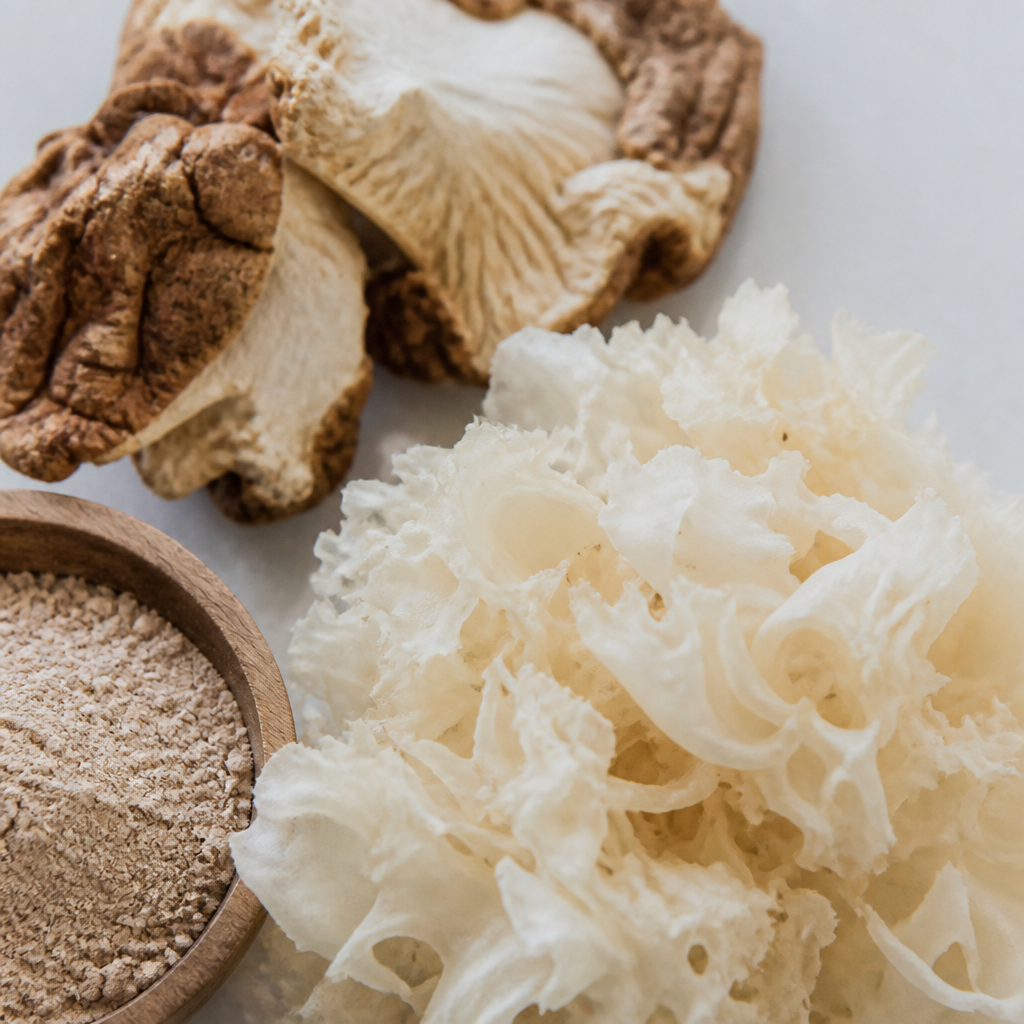
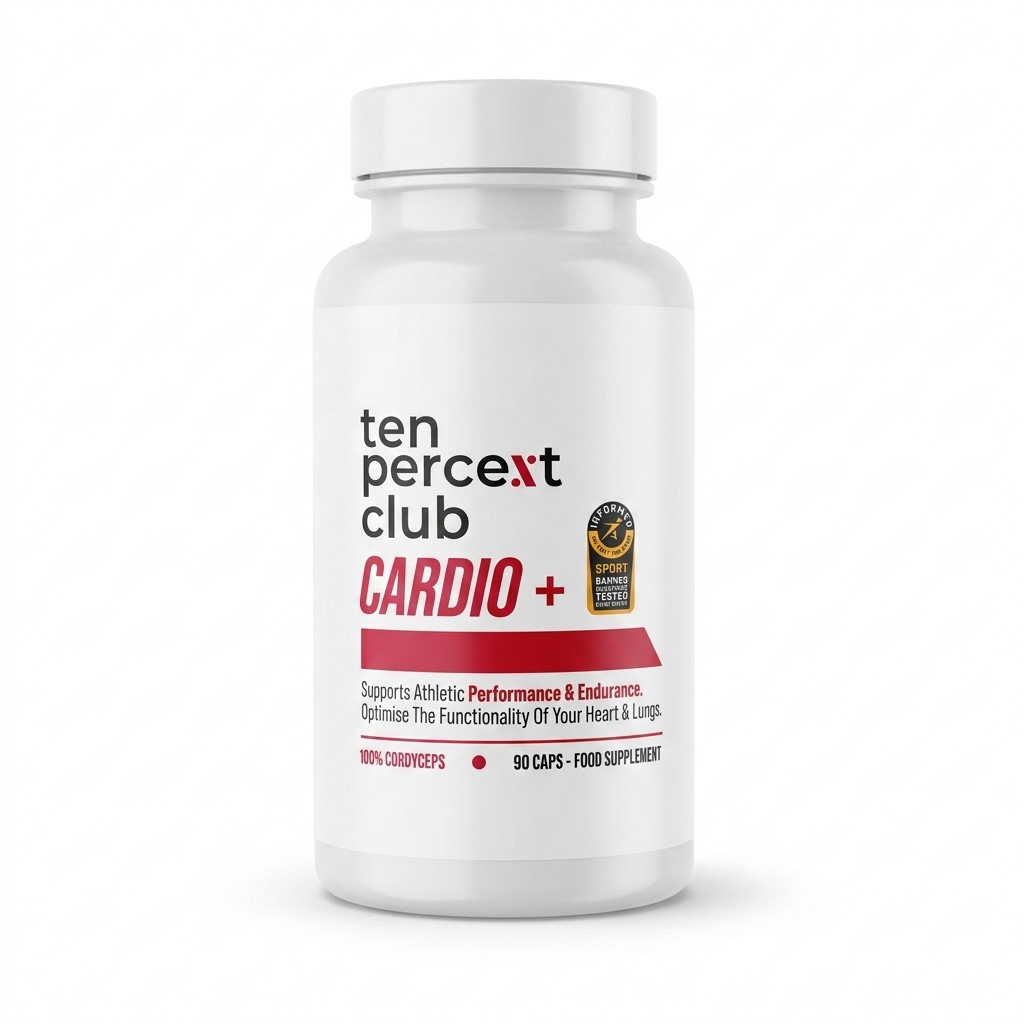
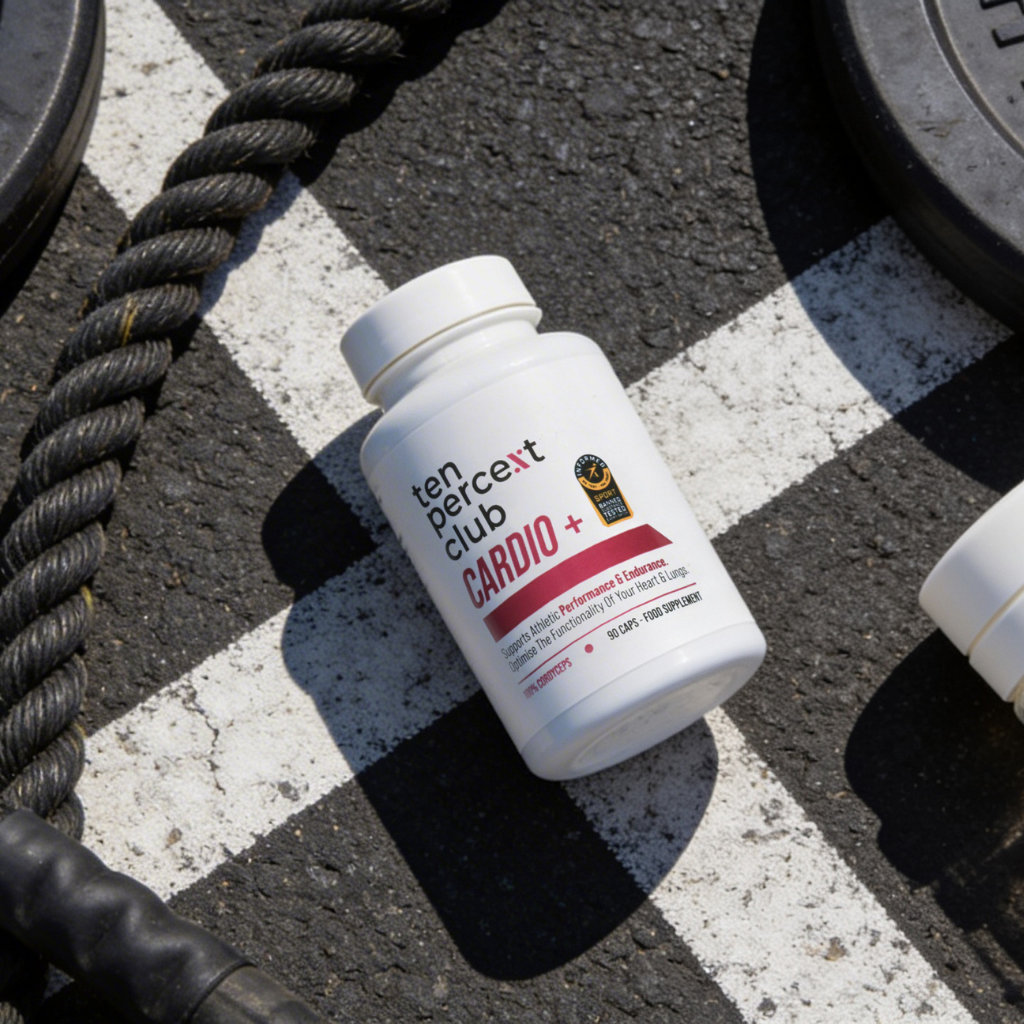
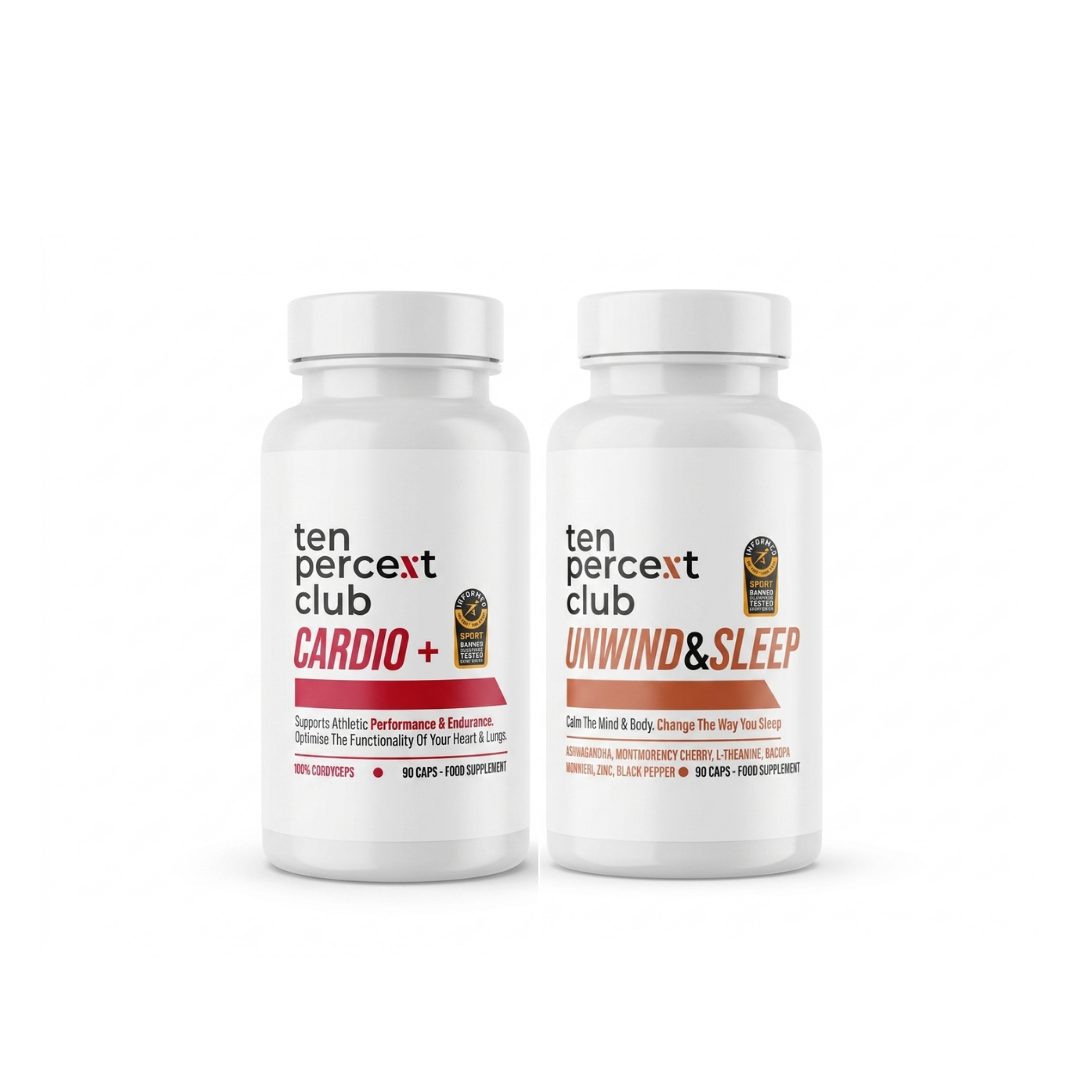
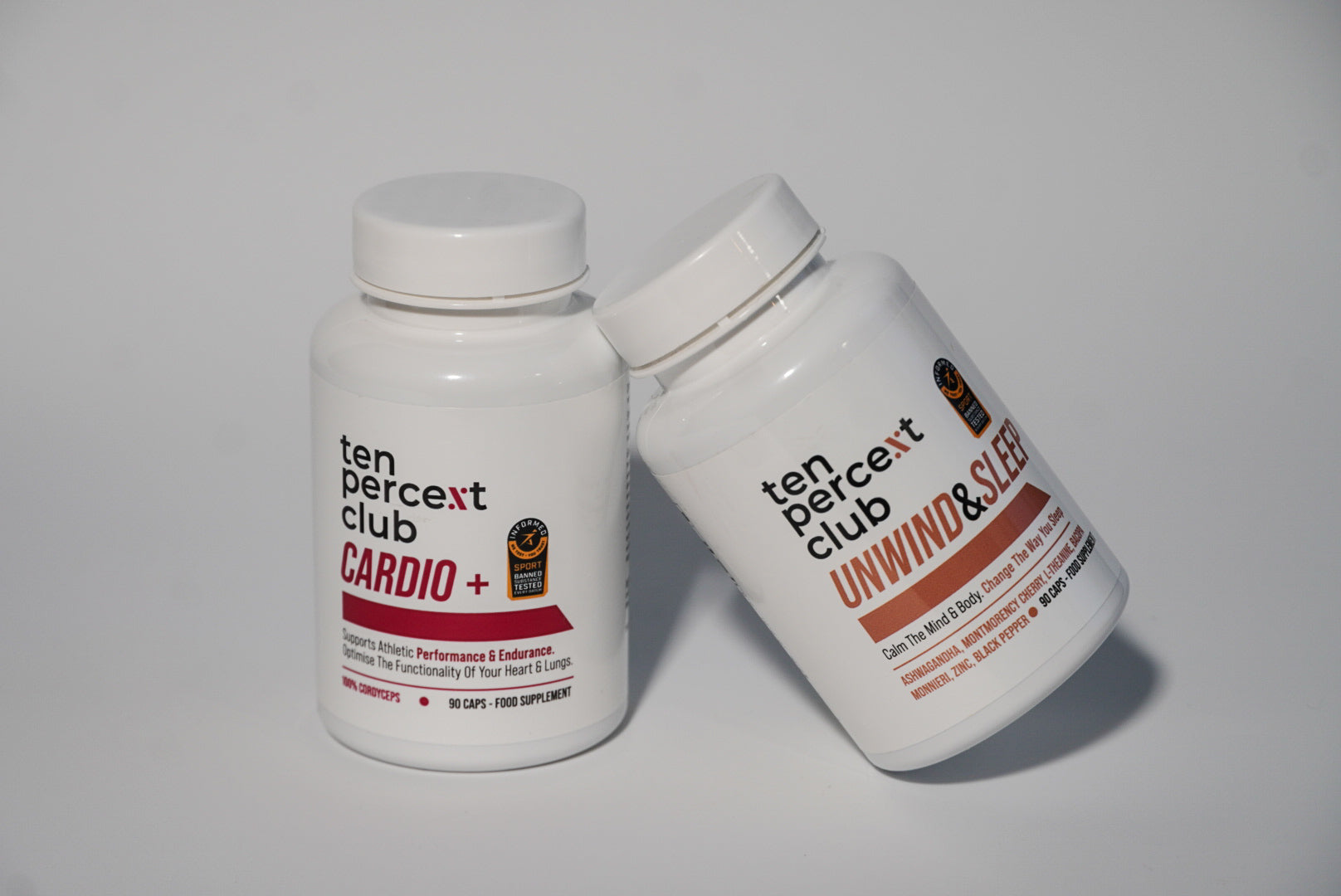
Beyond its performance applications, cordyceps has demonstrated immune-modulating properties. It enhances natural killer (NK) cell activity and supports the body's innate immune response — the first line of defence against pathogens. Cardio+ Cordyceps from Ten Percent Club delivers cordyceps at a meaningful dose, Informed Sport certified.
Reishi
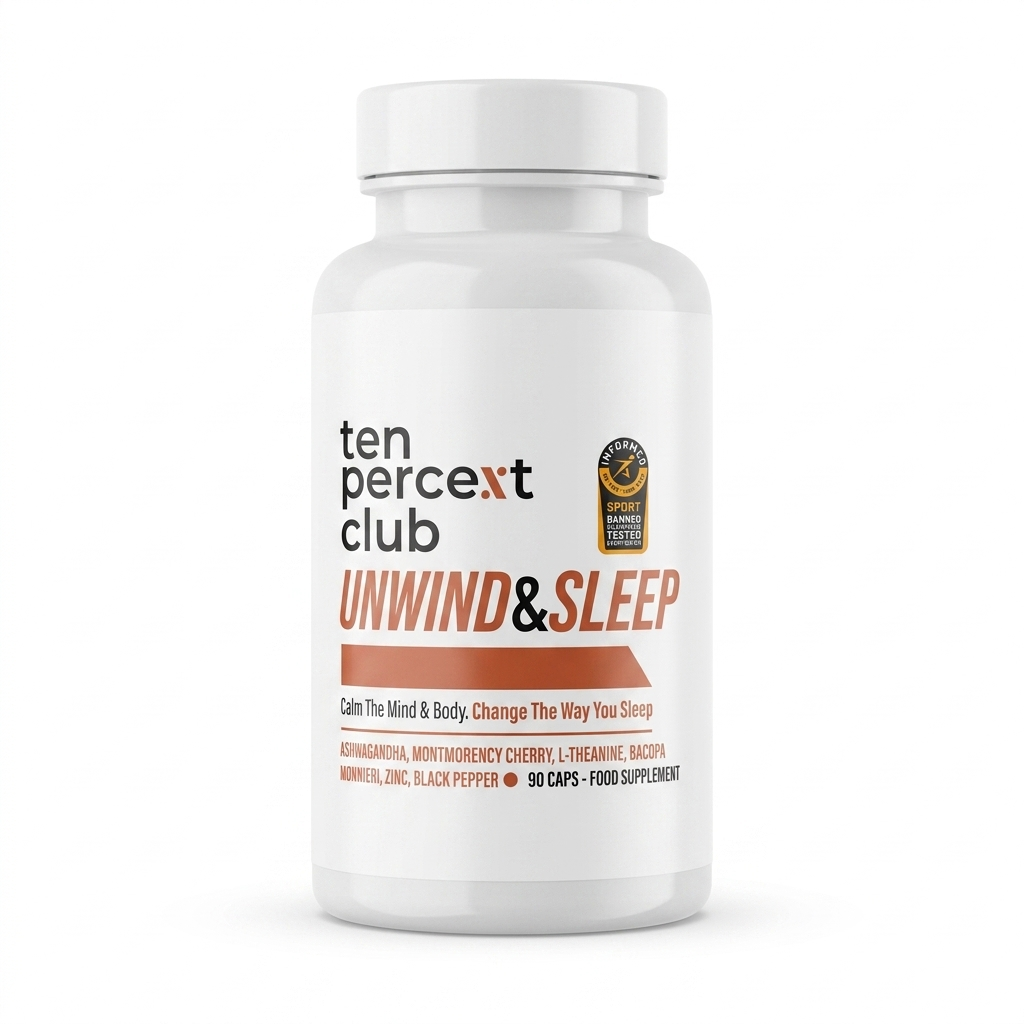
Reishi's beta-glucan content is particularly relevant for immune function. Beta-glucans are well-evidenced immune modulators that prime the innate immune system without causing excessive inflammation. Found in Unwind & Sleep Blend.
Ashwagandha
Chronic stress is one of the most potent suppressors of immune function. Ashwagandha's well-documented cortisol-lowering effects have downstream benefits for immune resilience — particularly relevant for athletes navigating competition pressure or high training loads.
Irish Sea Moss
Rich in iodine, potassium, and a range of trace minerals, Irish sea moss has been used as a nutritional support food for centuries. It provides a natural source of immune-supportive micronutrients and is gaining attention in sports nutrition as a whole-food supplement. Ten Percent Club's Irish Sea Moss is Informed Sport certified and free from fillers.
Ten Percent Club Immune Support Stack
Energy & Immunity Blend — Vitamin C, zinc & immune-supporting botanicals
Cardio+ Cordyceps — NK cell support & immune modulation
Unwind & Sleep Blend — Reishi & ashwagandha for stress and immune resilience
Shop Immune Support →The Practical Approach
For athletes serious about immune health, a tiered approach works best:
- Year-round: Consistent sleep, varied diet, managed training load
- Heavy training blocks: Add cordyceps, reishi, and vitamin C to your stack
- High stress / competition prep: Prioritise ashwagandha for cortisol management
- Travel periods: Increase vitamin C and zinc intake in the days around travel
Train hard. Stay healthy. Don't let illness derail your progress.
Informed Sport certified immune support — built for athletes.
Shop Immune SupportFurther reading: Adaptogens for Athletes: Do They Actually Work? · The Athlete's Guide to Recovery