If there's one performance variable that the fitness industry consistently undervalues, it's sleep. Training, nutrition, and supplementation get endless attention — but sleep is where the real adaptation happens.
Yet a significant proportion of UK adults are chronically under-slept, and athletes are not immune. Between early morning training sessions, work commitments, and the mental stimulation of modern life, getting 7–9 hours of quality sleep is harder than it sounds.
Here's what the science says — and what you can actually do about it.
Why Sleep Matters for Athletic Performance
During sleep, particularly deep slow-wave sleep, your body releases human growth hormone (HGH), which drives muscle repair and adaptation. Studies have shown that sleep restriction significantly reduces muscle protein synthesis, meaning the work you put in at the gym is less effective if you're not sleeping properly.
Beyond muscle, sleep affects:
- Reaction time and decision-making — a single night of poor sleep impairs cognitive function comparably to being over the drink-drive limit
- Injury risk — athletes sleeping fewer than 8 hours per night are significantly more prone to injury
- Cortisol regulation — sleep deprivation elevates cortisol, the stress hormone that drives fat storage and muscle breakdown
- Immune function — consistent poor sleep suppresses immunity, increasing susceptibility to illness
The Foundations First
Light exposure: Bright light in the morning (ideally sunlight) sets your circadian rhythm. Reducing blue light exposure in the 90 minutes before bed helps your brain begin producing melatonin.
Temperature: The body needs to drop its core temperature slightly to initiate sleep. A cool bedroom (around 17–19°C) is optimal.
Consistency: Going to bed and waking at the same time — even on weekends — is one of the most powerful regulators of sleep quality.
Caffeine timing: Caffeine has a half-life of approximately 5–6 hours. A coffee at 3pm means a significant amount of caffeine still circulating at 9pm.
Where Supplements Can Help
Once the foundations are in place, certain supplements have meaningful evidence behind them for improving sleep quality.
Magnesium
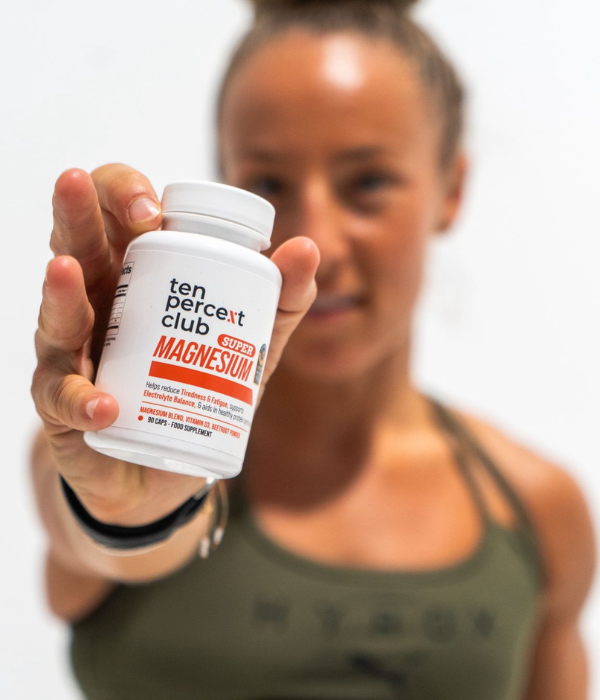
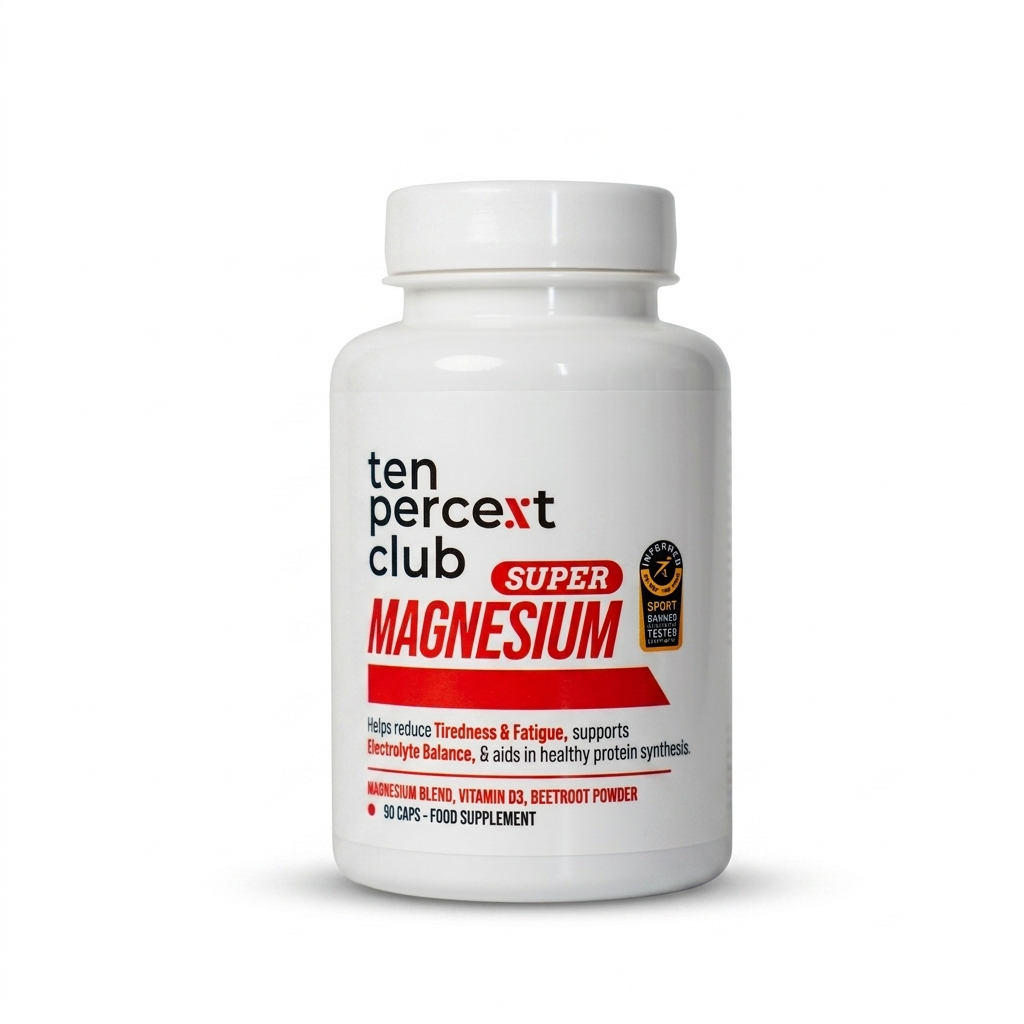
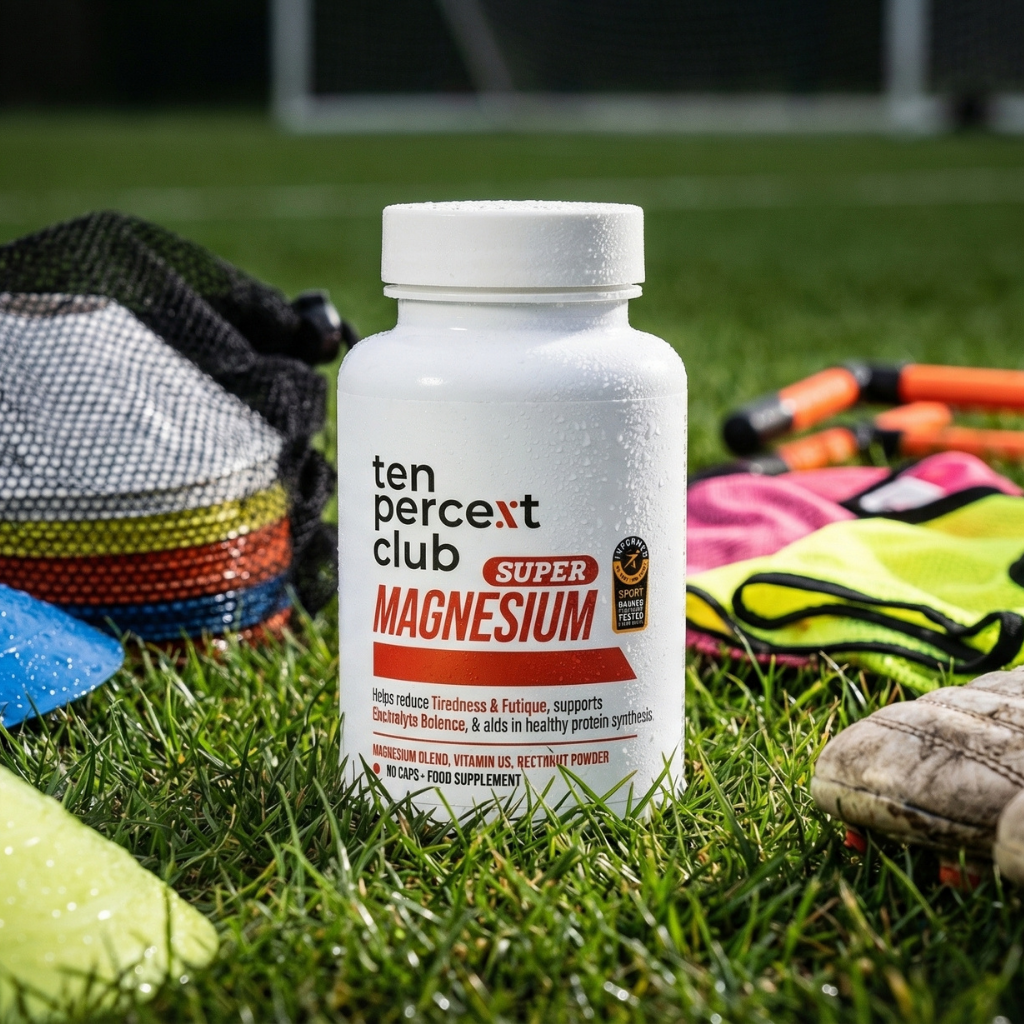
Magnesium is involved in over 300 enzymatic processes in the body, including the regulation of the nervous system. Deficiency is associated with restless sleep, night-time waking, and difficulty falling asleep. Ten Percent Club's Super Magnesium uses magnesium bisglycinate for maximum absorption, without the digestive side effects associated with cheaper magnesium oxide formulations.
Ashwagandha
One of the most well-researched adaptogens for stress and sleep. Multiple randomised controlled trials have shown ashwagandha supplementation significantly improves sleep quality and reduces cortisol levels.
L-Theanine
Found naturally in green tea, L-theanine promotes a state of calm alertness by increasing alpha brain wave activity. Combined with other calming compounds, it can meaningfully improve sleep onset without causing drowsiness the following day.
Reishi Mushroom
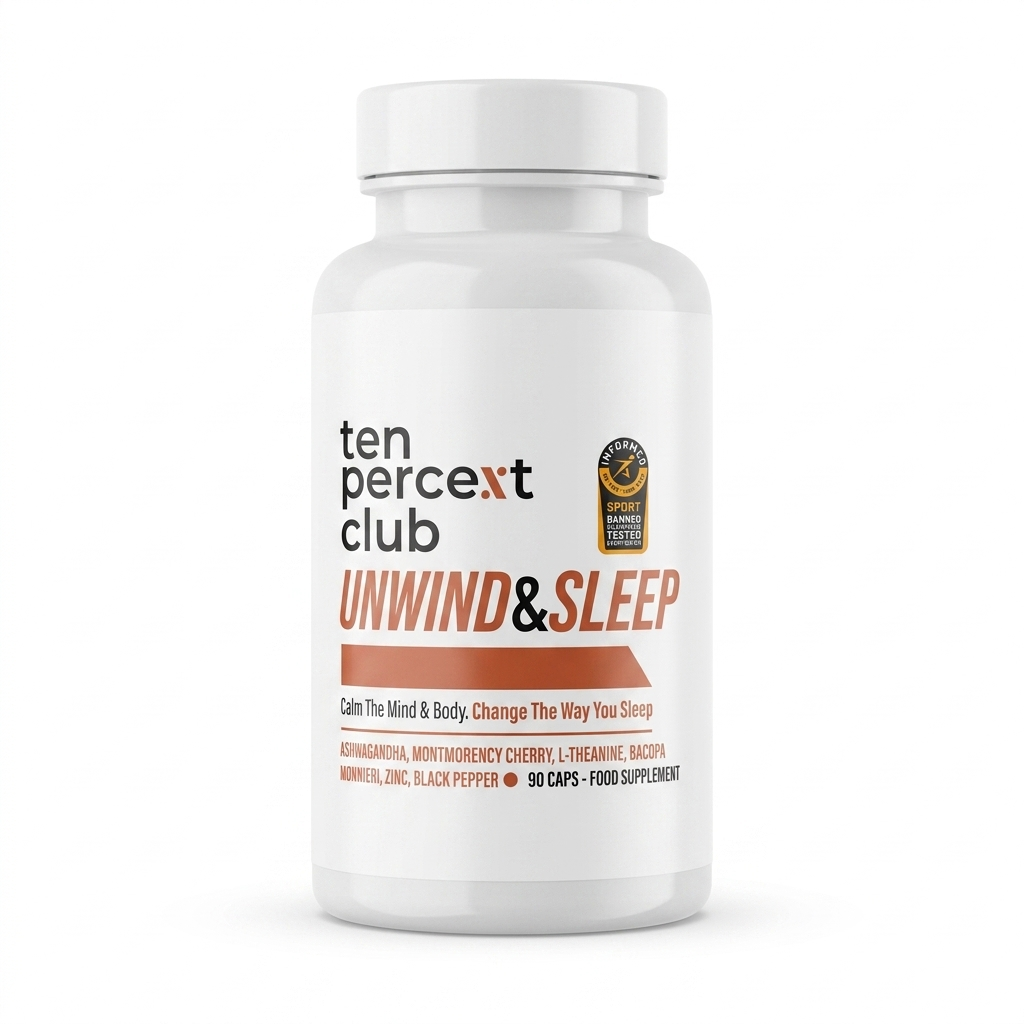
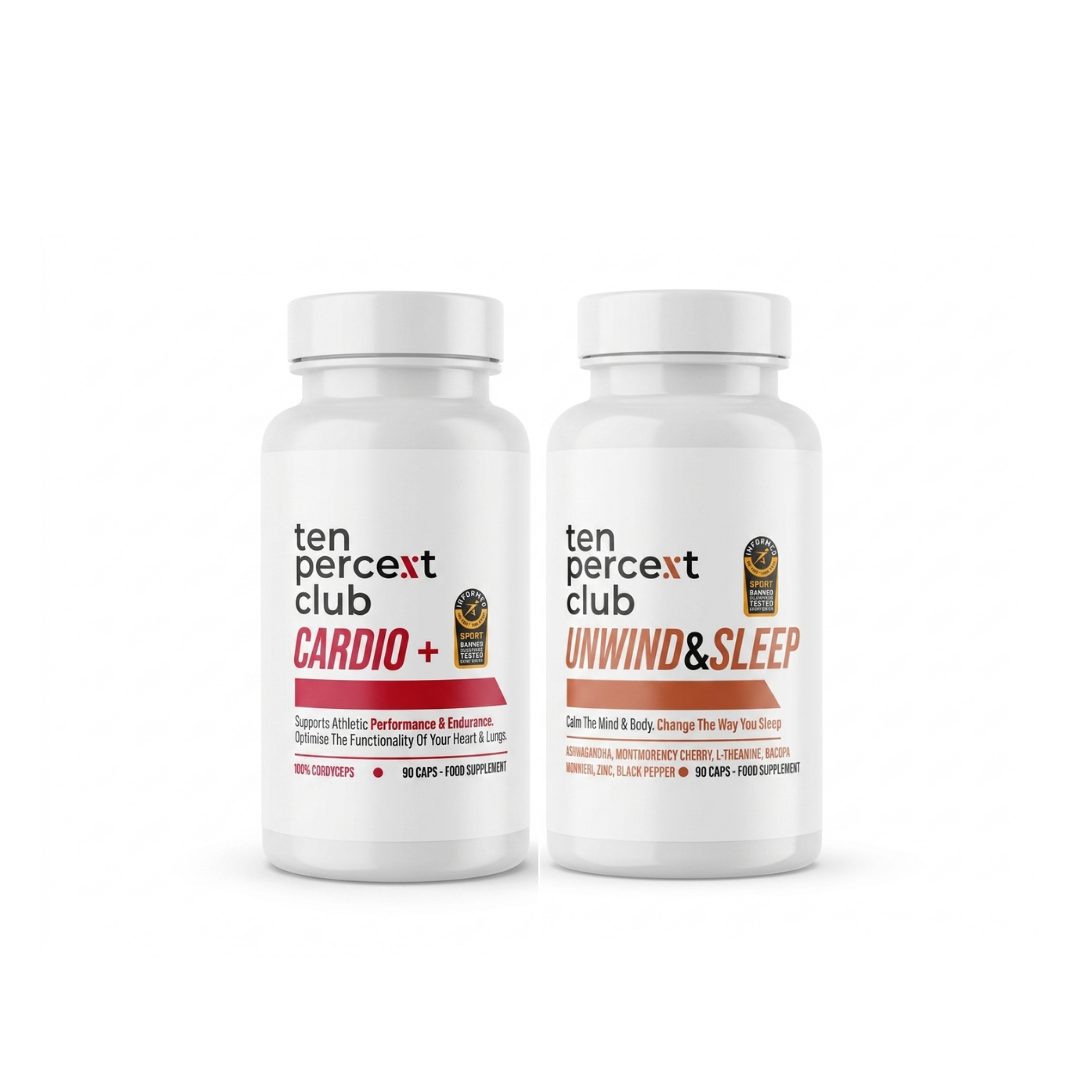
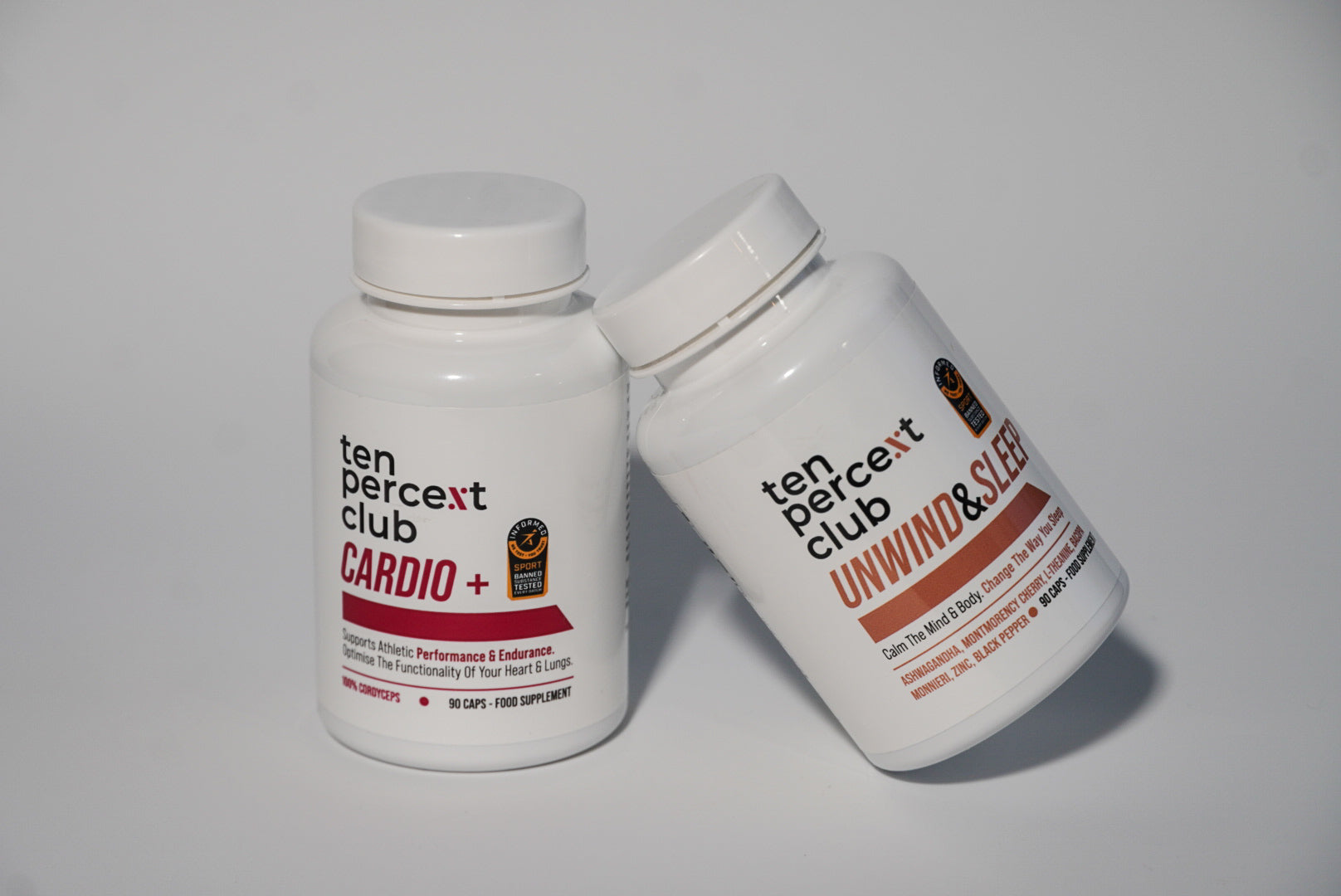
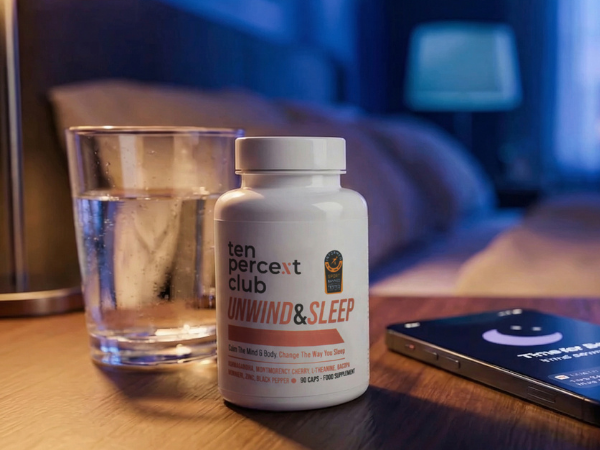
Reishi has shown potential for improving sleep duration and quality, likely through its effect on the parasympathetic nervous system. Ten Percent Club's Unwind & Sleep Blend combines ashwagandha, L-theanine, reishi, and other evidence-supported ingredients in a single, transparent formula.
The Ten Percent Club Sleep Stack
Super Magnesium — Magnesium bisglycinate for sleep, muscle recovery & nervous system support
Unwind & Sleep Blend — Ashwagandha, L-theanine, Reishi & more. Informed Sport certified.
Shop Magnesium → Shop Sleep Blend →Building a Sleep Stack
For athletes serious about recovery, a practical approach might look like:
- Evening: Reduce screen time, dim lights
- 60 minutes before bed: Take your sleep supplement (magnesium + ashwagandha + L-theanine)
- Consistent bed and wake times
Small, consistent changes compound. Much like training.
Sleep is your most powerful recovery tool.
Informed Sport certified sleep supplements — no fillers, just what works.
Shop Unwind & SleepFurther reading: Magnesium for Sleep and Recovery — Why Most UK Adults Are Deficient · The Athlete's Guide to Recovery