
Walk into any UK sports nutrition shop or scroll through Amazon and you'll find dozens of electrolyte products staring back at you. Sachets, tablets, powders, RTD bottles — the market is saturated. But most of them have one thing in common: they're more marketing than substance.
Here's how to cut through the noise.
The Red Flags
1. Tiny sodium doses
Sodium is the primary electrolyte lost in sweat. If a product contains less than 300mg of sodium per serving, it's unlikely to make a meaningful difference to your hydration, particularly during longer or more intense sessions. Many popular products contain as little as 50–100mg — essentially a token amount.
2. Proprietary blends
If a product lists a "hydration blend" or "electrolyte complex" without disclosing individual ingredient amounts, be sceptical. This practice hides underdosed ingredients behind impressive-sounding labels.
3. High sugar content
Some electrolyte drinks contain more sugar than a can of Coke. Unless you're doing prolonged endurance exercise (90+ minutes) where carbohydrate is genuinely useful, you don't need it in your hydration product.
4. Artificial colours and sweeteners
Not a dealbreaker for everyone, but if you're buying a health product, loading it with additives doesn't align with the ethos.
5. No third-party testing
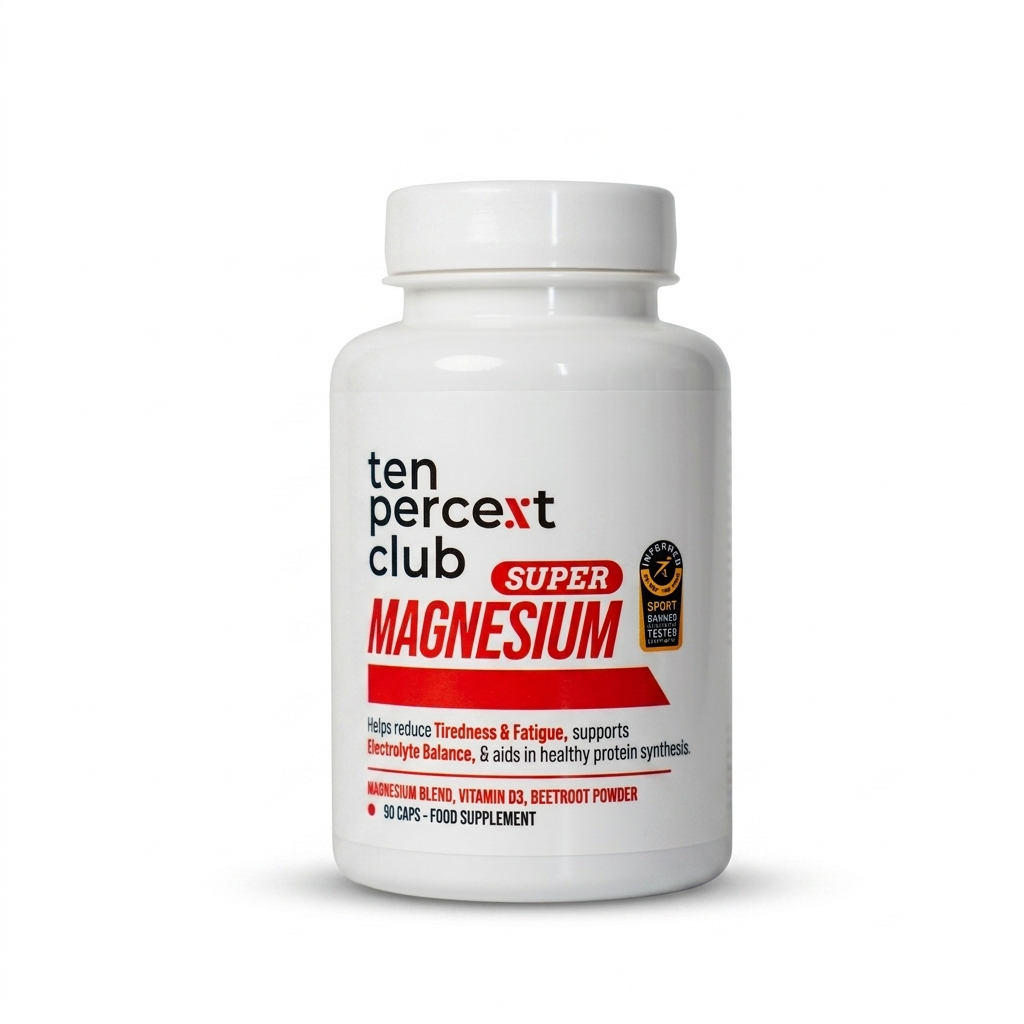
This matters more than most people realise. Contamination in supplement manufacturing is a real risk. If a product isn't tested by an independent body like Informed Sport or NSF, there's no guarantee what's actually in it — particularly relevant for anyone in competitive sport.
What a Good Electrolyte Product Looks Like
A quality electrolyte supplement should be transparent about every ingredient and its dose, contain a physiologically relevant amount of sodium (ideally 500mg+), and be free from unnecessary fillers.
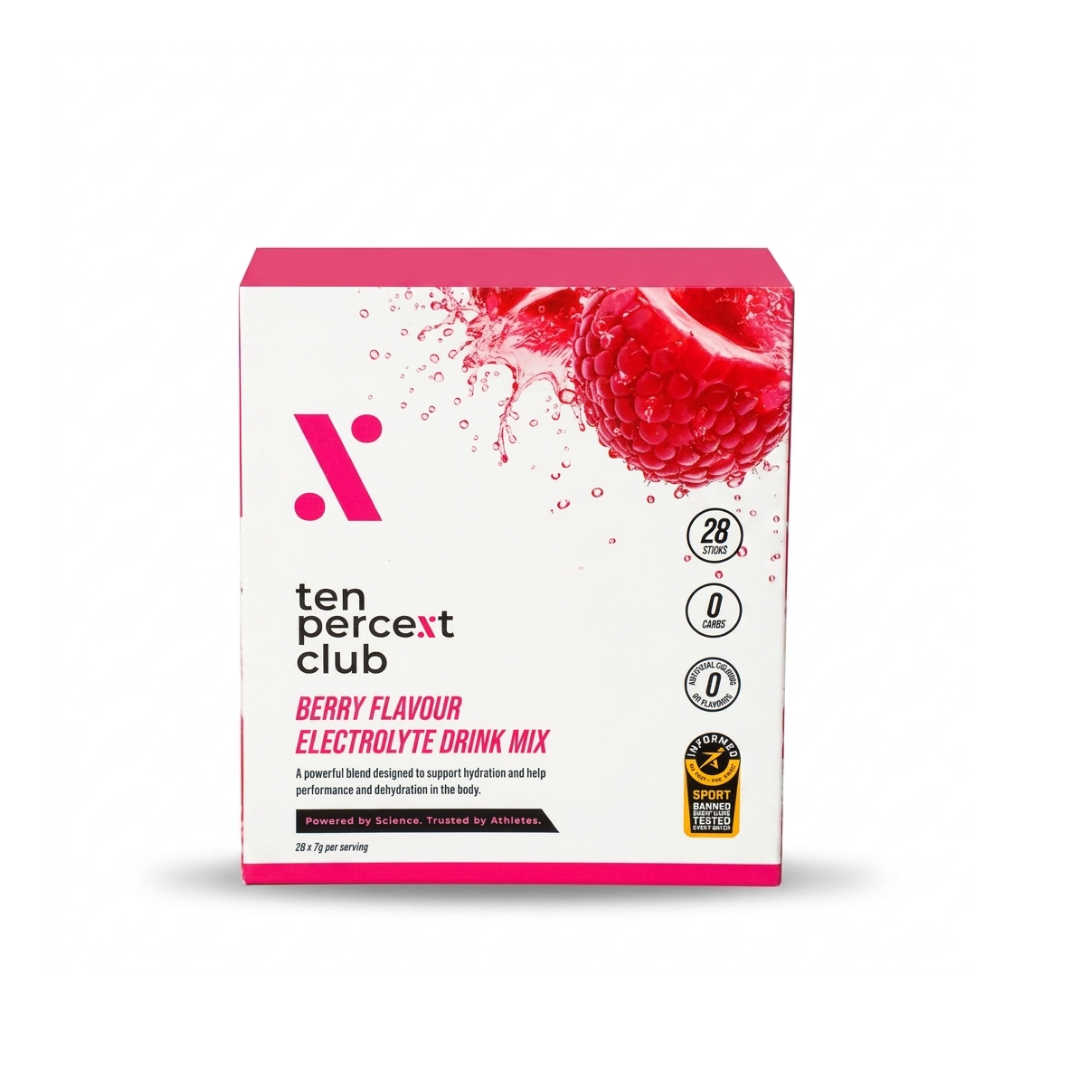
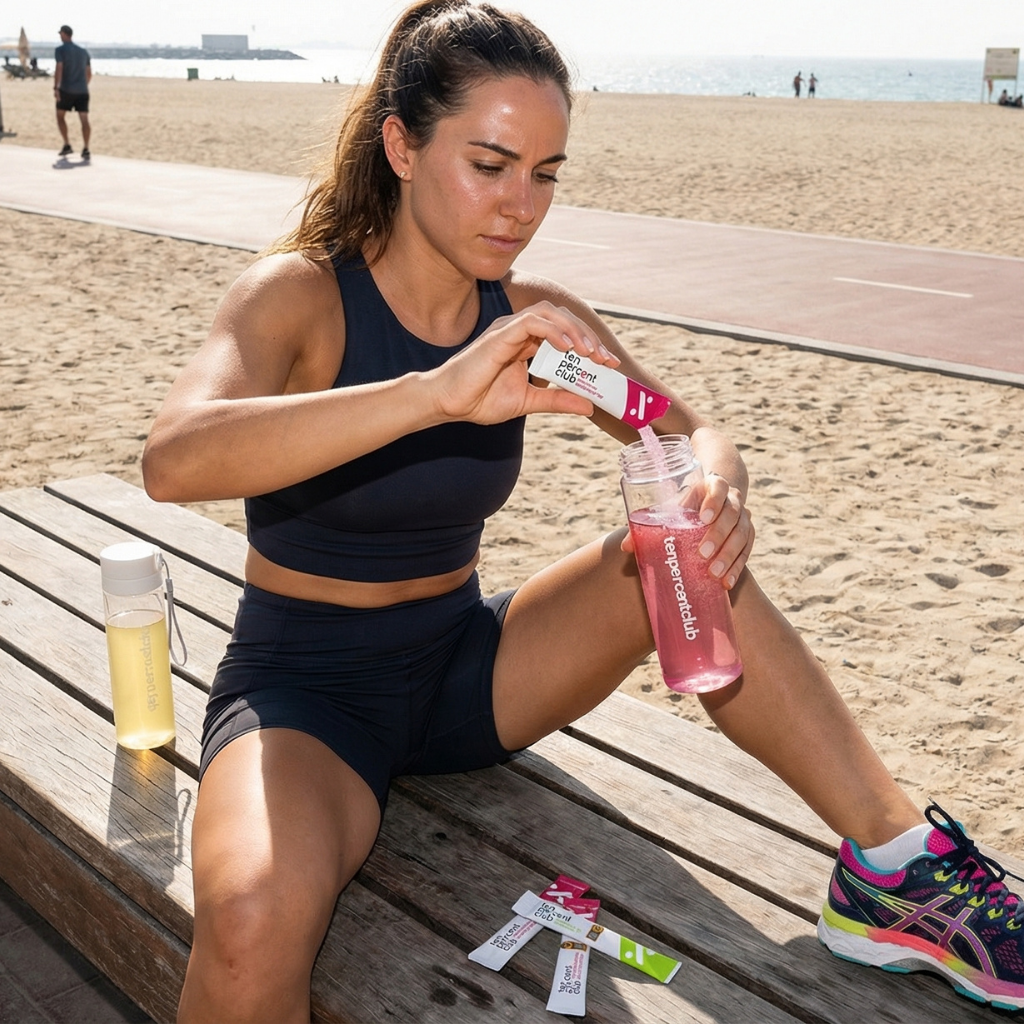
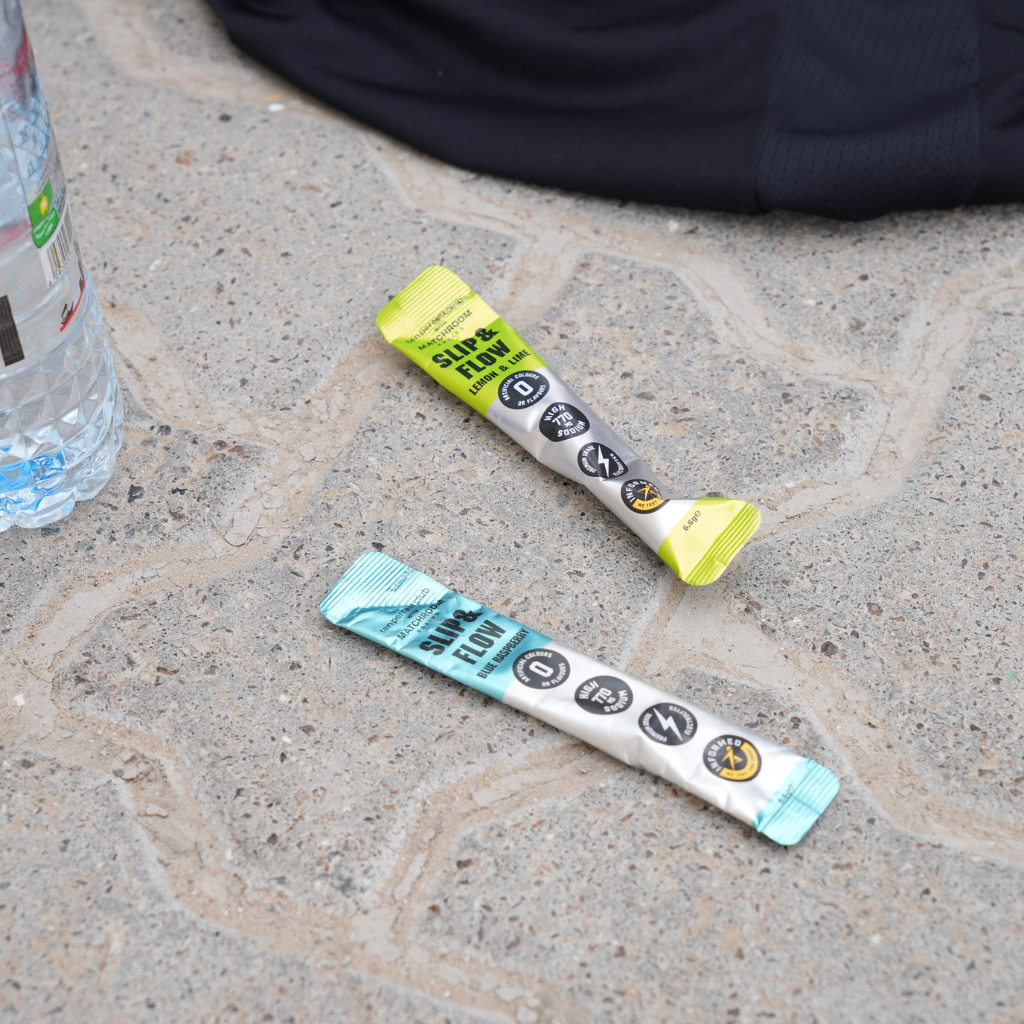
Ten Percent Club's Slip & Flow Electrolytes ticks all of these boxes. It contains 770mg of sodium per serving alongside potassium, magnesium, and vitamin C — all at disclosed doses, with no proprietary blends, no fillers, and full Informed Sport certification.
Slip & Flow Electrolytes
770mg sodium · Potassium · Magnesium · Vitamin C · Informed Sport certified · No fillers
Shop Slip & Flow →When Should You Use Electrolytes?
- Before training: Particularly useful in hot weather or if you're prone to cramping
- During training: For sessions lasting longer than 60 minutes
- After training: To support recovery alongside protein intake
- During illness: Vomiting and diarrhoea deplete electrolytes rapidly
- In hot weather: Even without exercise, heat increases sweat loss
The UK-Specific Context
British athletes training through summer months, or those who've recently returned from training camps in warmer climates, are particularly susceptible to dehydration. Even indoor training in poorly ventilated gyms can generate significant sweat loss.
If you're training for a half marathon, competing in a combat sport, or simply want to turn up to every session performing at your best — getting your electrolytes right is one of the most cost-effective changes you can make.
No fillers. No guesswork. Just hydration that works.
Informed Sport certified · Made for UK athletes
Shop Slip & FlowFurther reading: Why Electrolytes Matter More Than You Think · The Athlete's Guide to Recovery