



Magnesium is one of the most important minerals in the human body. It's involved in over 300 biochemical reactions, including muscle function, protein synthesis, blood pressure regulation, and critically — sleep.
It's also one of the most commonly deficient nutrients in the UK population.
Why Are So Many People Low in Magnesium?
Soil depletion: Modern intensive farming practices have reduced the magnesium content of soil significantly over the past 50 years. Vegetables that would once provide meaningful magnesium now contain a fraction of what they used to.
Dietary patterns: Processed foods, which make up a significant proportion of the average UK diet, are stripped of magnesium during manufacturing.
High training loads: Athletes are at particular risk because magnesium is lost through sweat and urine, and the physiological demands of exercise increase requirements.
Stress: Psychological and physical stress depletes magnesium rapidly, creating a vicious cycle — low magnesium worsens stress response, and stress depletes magnesium further.
Symptoms of Low Magnesium
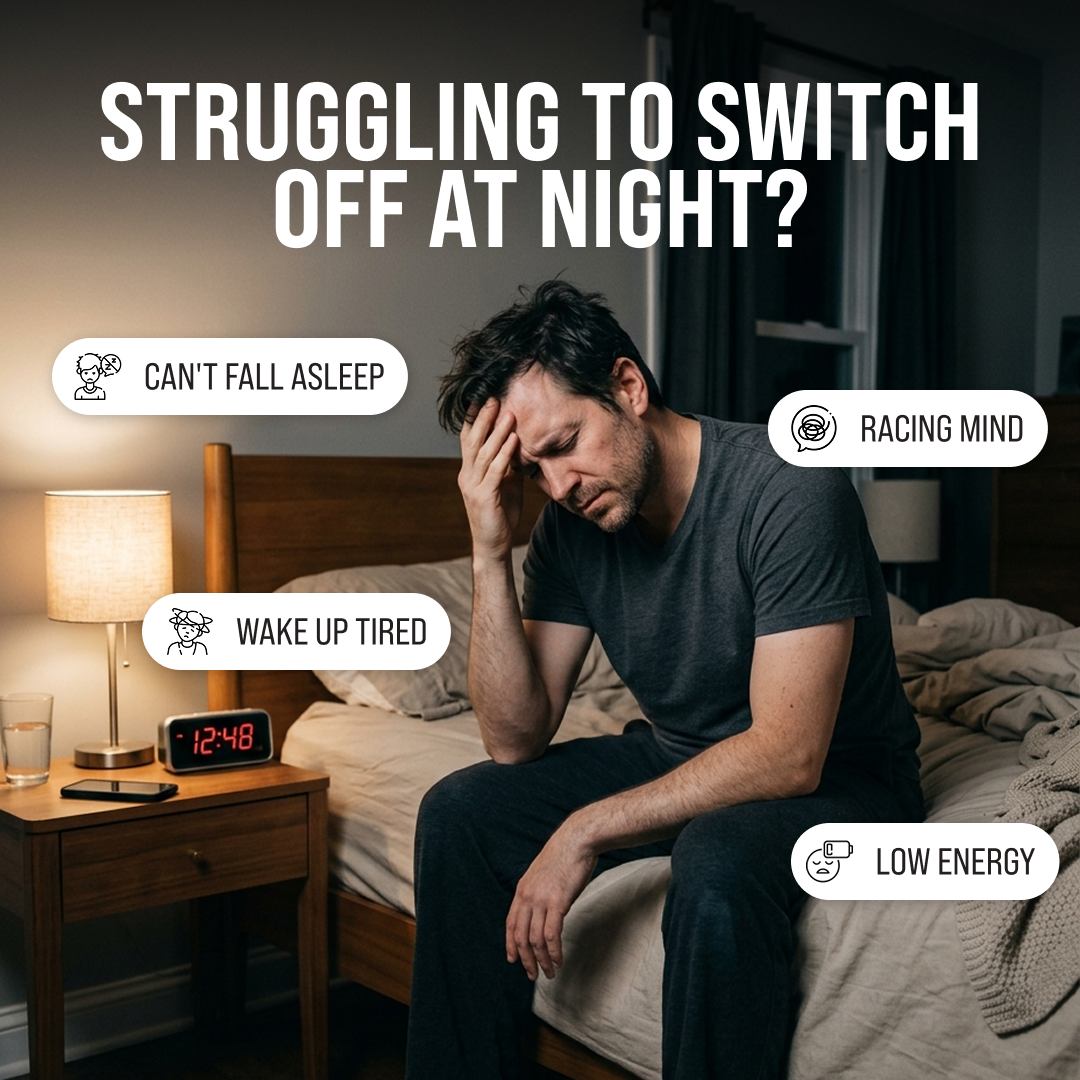
- Poor sleep quality or difficulty staying asleep
- Muscle cramps or twitches (particularly at night)
- Anxiety or heightened stress sensitivity
- Fatigue despite adequate sleep
- Headaches or migraines
- Constipation
Magnesium and Sleep — What the Research Says
Magnesium plays a direct role in regulating the parasympathetic nervous system — the "rest and digest" side of your autonomic nervous system. It activates GABA receptors in the brain, which are responsible for quietening neural activity and promoting sleep onset.
Studies have found that magnesium supplementation significantly improves sleep quality, sleep efficiency, and early morning cortisol levels in both older adults and athletes. It's particularly effective at reducing the "wired but tired" feeling — physically exhausted but mentally unable to switch off.
Not All Magnesium Supplements Are Equal
The cheapest and most widely available form is magnesium oxide — and it has terrible bioavailability. Studies suggest only around 4% is absorbed by the body. The rest passes straight through, which is why magnesium oxide is sometimes used as a laxative.
The forms with the best evidence for sleep and recovery are:
- Magnesium bisglycinate — highest bioavailability, gentle on digestion, best for sleep
- Magnesium glycinate — similar to bisglycinate, excellent absorption
- Magnesium malate — good for energy and muscle function
- Magnesium citrate — decent absorption, but can cause loose stools in higher doses
Ten Percent Club's Super Magnesium uses magnesium bisglycinate — the gold standard form — at a meaningful dose. No fillers, no inferior forms, just the version that actually works.
Super Magnesium — Bisglycinate Form
Maximum bioavailability · Gentle on digestion · Informed Sport certified · No fillers
Shop Super Magnesium →How to Take It
Magnesium is best taken in the evening, approximately 60–90 minutes before bed. This aligns the peak of its calming effect with the sleep onset window. It's safe to take daily and most people notice improvements in sleep quality within 1–2 weeks of consistent use.
If you're training hard, dealing with significant stress, or simply waking up feeling like you haven't slept — magnesium bisglycinate is one of the most evidence-backed, low-risk places to start.
Fix your sleep. Fix your recovery.
Magnesium bisglycinate — the form that actually absorbs.
Try Super MagnesiumFurther reading: How to Improve Sleep Quality Naturally · The Athlete's Guide to Recovery