

"Natural" is one of the most loaded words in the supplement industry. It appears on labels, in marketing copy, and in consumer conversation as a shorthand for "better" — but the reality is considerably more nuanced.
Here's an honest breakdown of what natural vs synthetic actually means in the supplement context, when the distinction is meaningful, and when it's mostly marketing.
What Do "Natural" and "Synthetic" Actually Mean?
In supplement terms, "natural" typically refers to ingredients derived from plant, animal, or mineral sources with minimal processing. "Synthetic" refers to compounds produced through chemical synthesis in a laboratory.
The immediate assumption — natural good, synthetic bad — doesn't hold up to scrutiny. Many synthetic compounds are chemically identical to their natural counterparts. Synthetic vitamin C (ascorbic acid) is molecularly identical to the vitamin C in an orange. Your body cannot distinguish between them.
When Natural Is Genuinely Better
There are cases where natural sourcing produces meaningfully superior products:
Whole food complexes: Some nutrients work better in the presence of co-factors found in their natural source. Vitamin E from food sources, for example, contains a range of tocopherols that work synergistically — synthetic vitamin E typically contains only alpha-tocopherol.
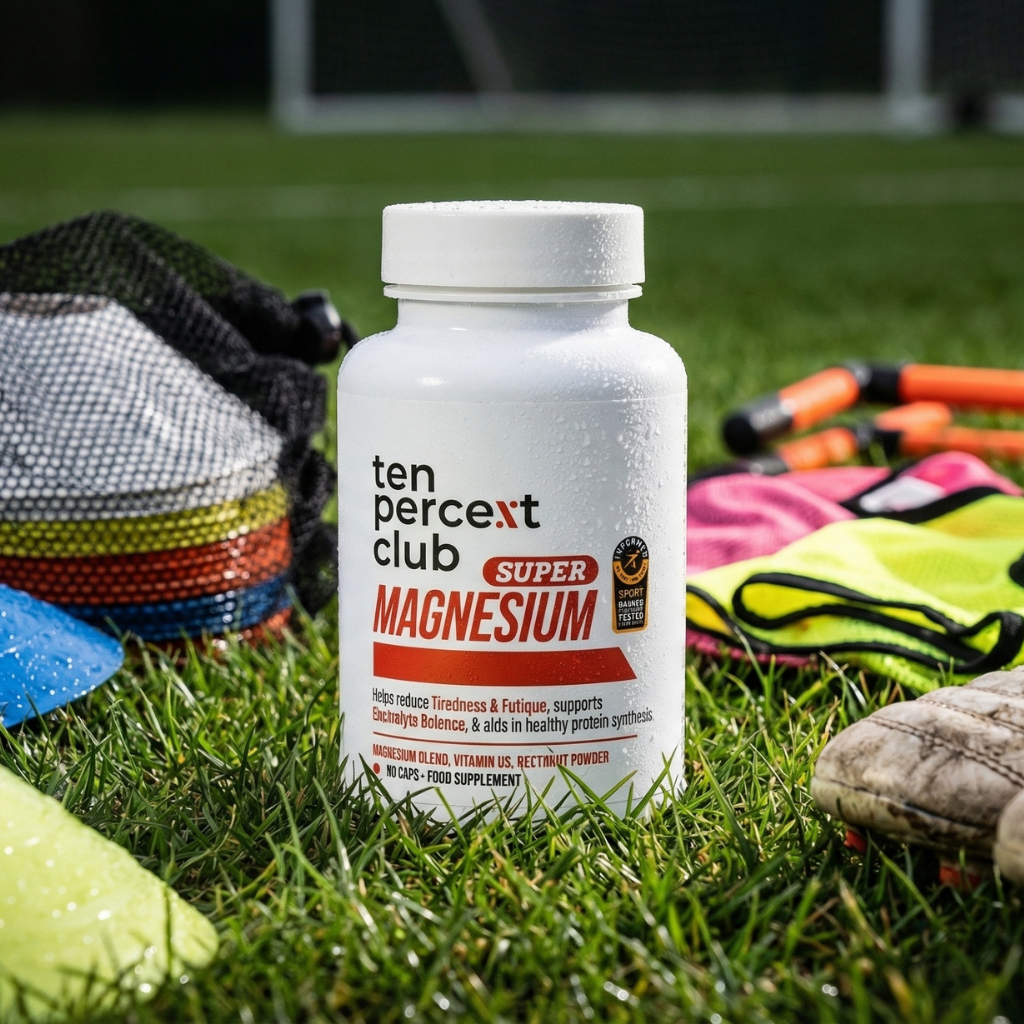
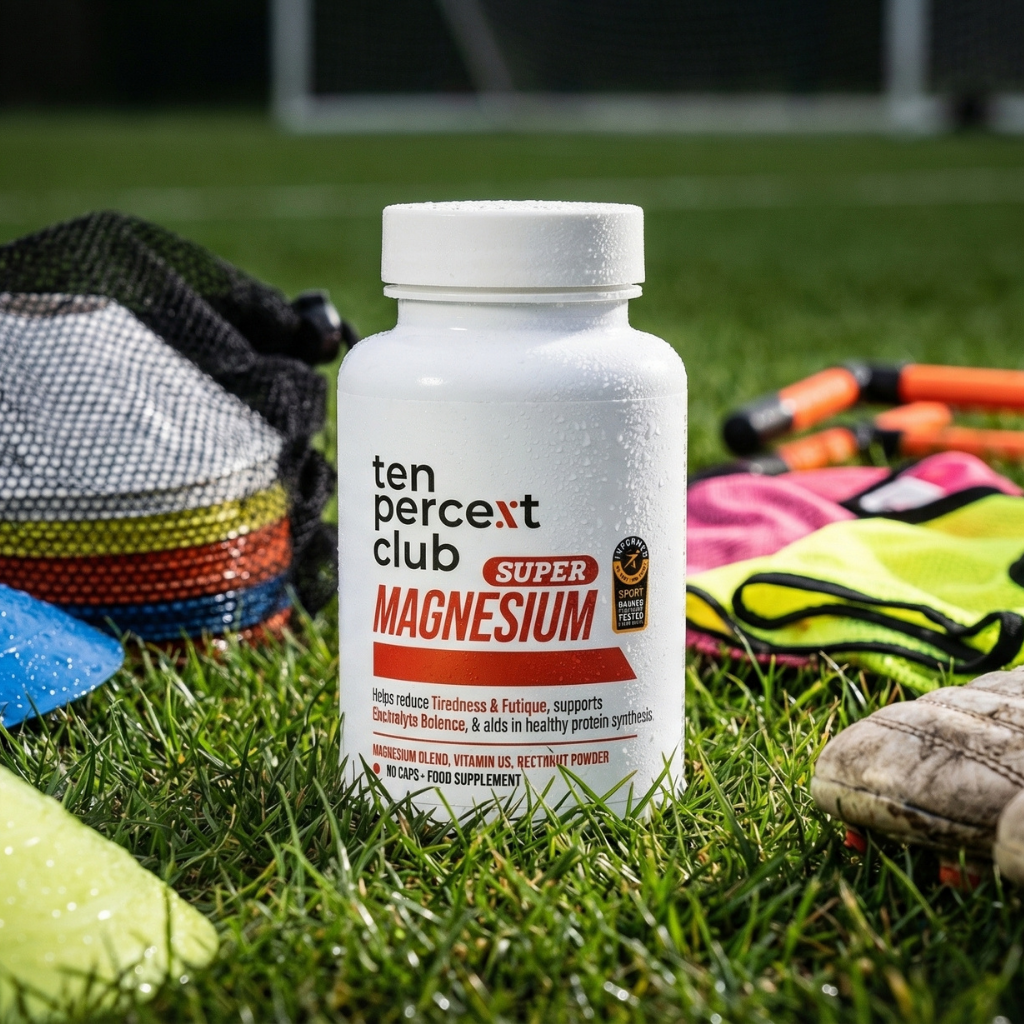
Bioavailability differences: Certain mineral forms derived through natural chelation processes — like magnesium bisglycinate — are demonstrably better absorbed than synthetic inorganic forms like magnesium oxide. This isn't about natural vs synthetic ideologically; it's about chemistry.
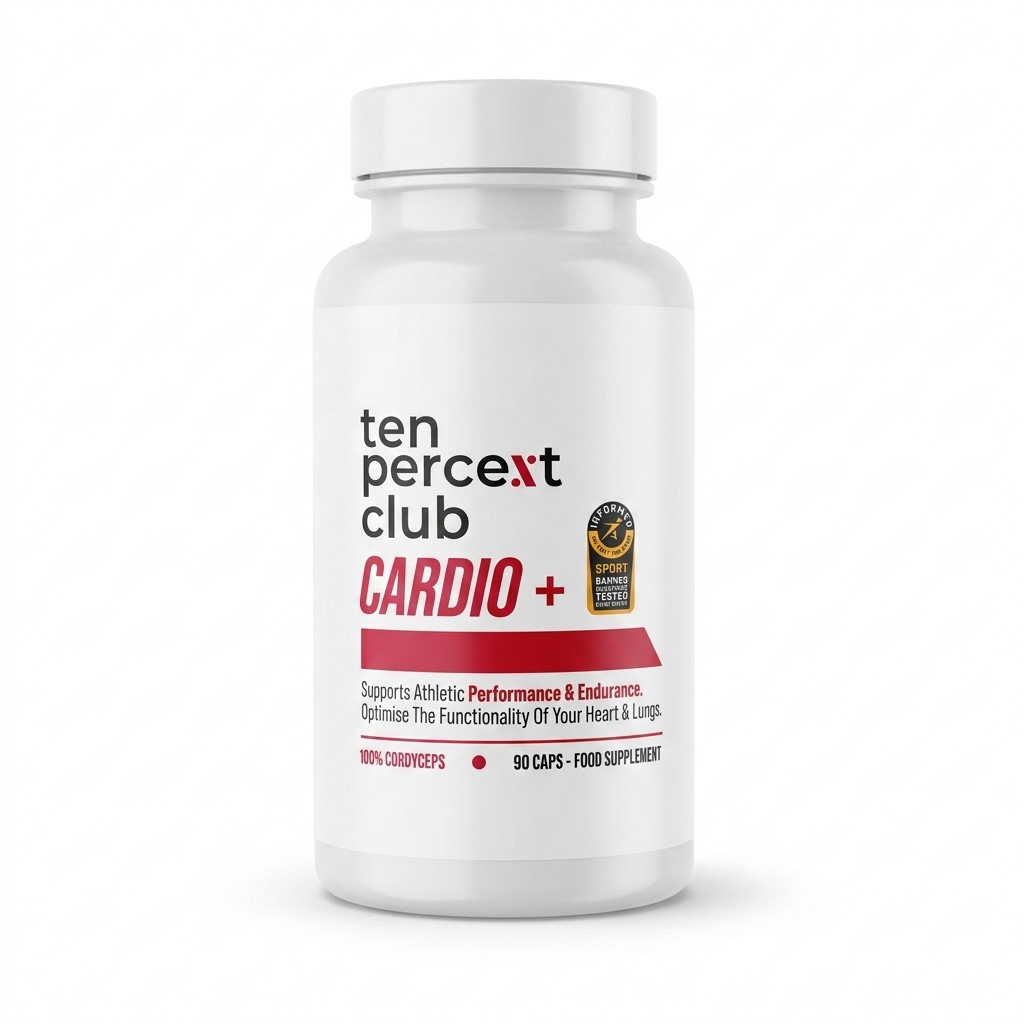
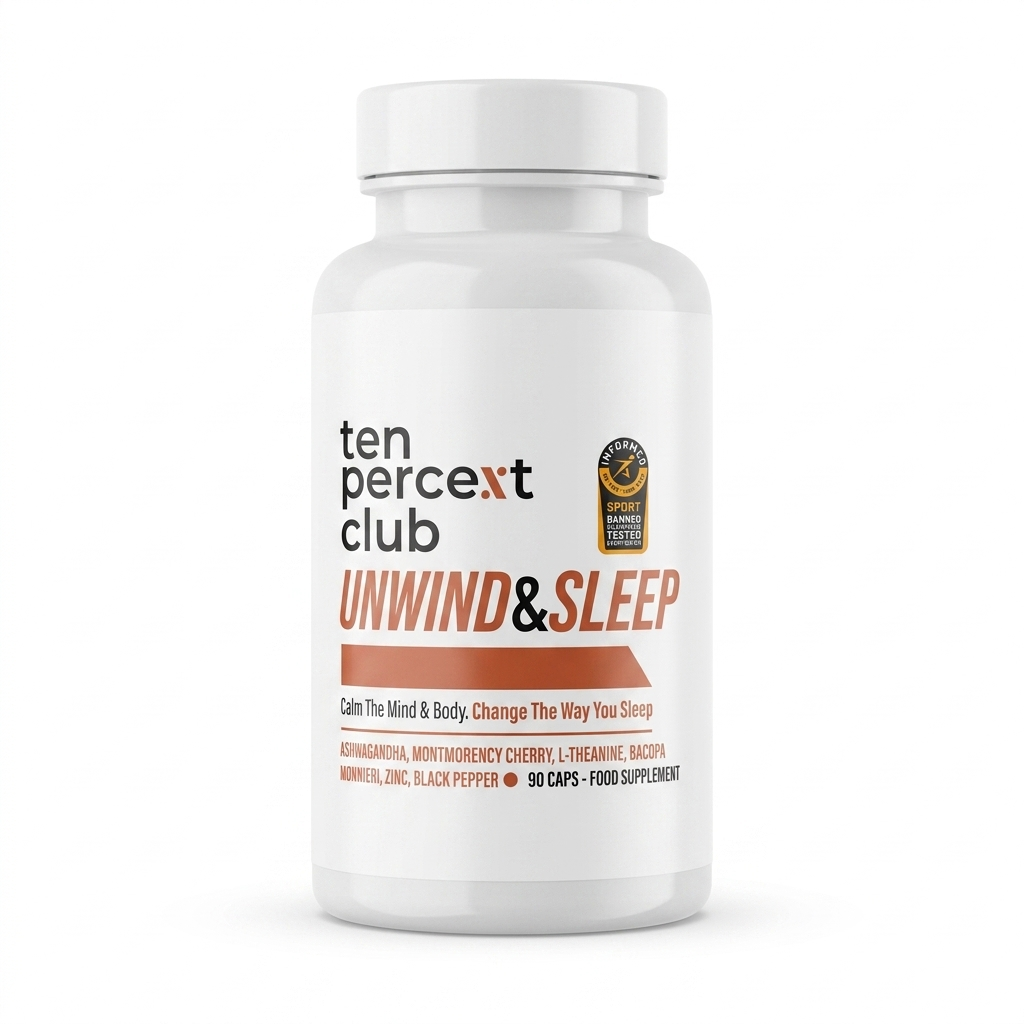
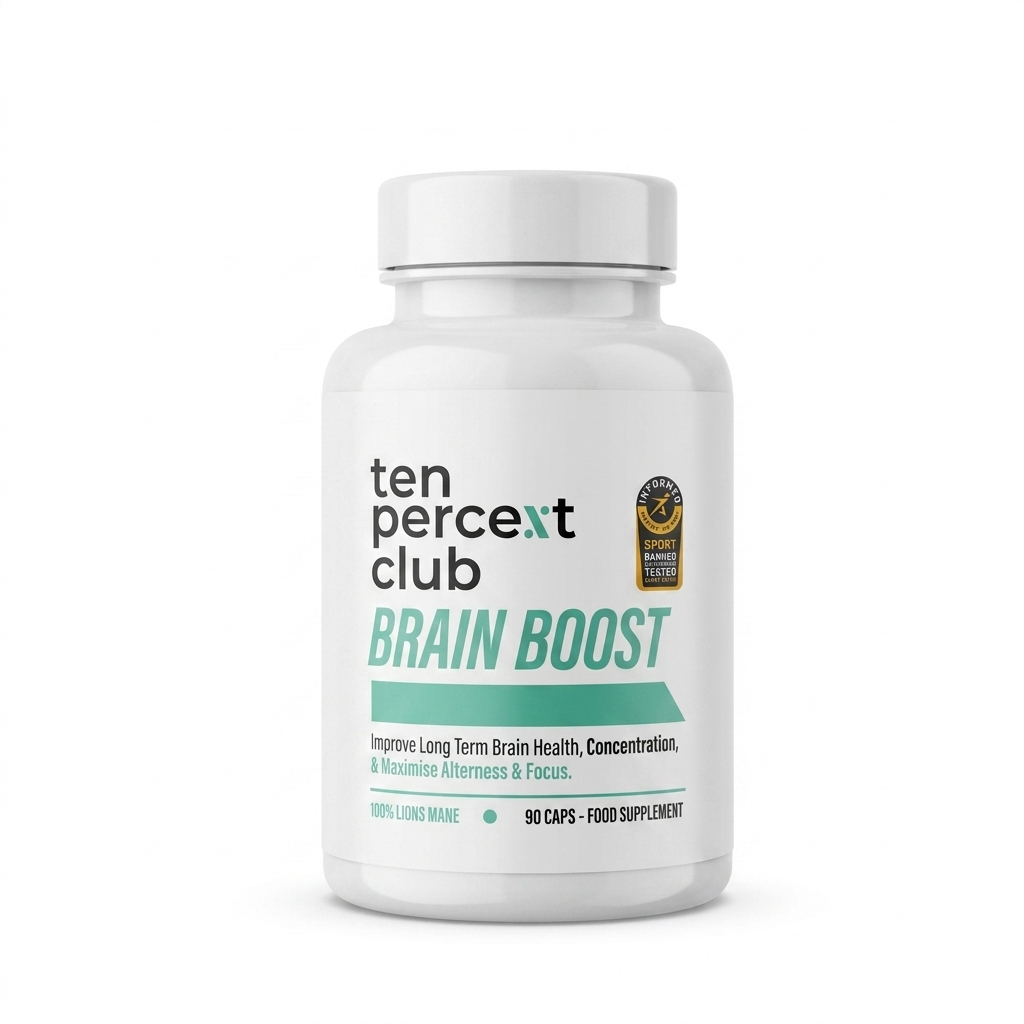
Functional mushrooms and botanical extracts: Adaptogens like cordyceps, lion's mane, and ashwagandha derive their benefits from complex phytochemical profiles that can't be replicated by synthesising isolated active compounds. The whole-plant or whole-mushroom extract is genuinely superior here.
When "Natural" Is Mostly Marketing
Identical molecules: Creatine monohydrate is creatine monohydrate regardless of how it was produced. There is no evidence that "fermented" or "plant-derived" creatine outperforms standard synthetic creatine monohydrate.
Natural doesn't mean safe: Many natural compounds are toxic in sufficient quantities. "Natural" on a label provides no guarantee of safety, appropriate dosing, or quality control.
Natural doesn't mean effective: Thousands of "natural" supplements have no credible evidence base. The appeal to nature is not a substitute for evidence.
What Actually Matters
Rather than natural vs synthetic, the questions that actually determine supplement quality are:
- Is the dose meaningful? A "natural" ingredient at a homeopathic dose is worthless
- Is the form bioavailable? The form of the ingredient matters more than its origin in many cases
- Is it independently tested? Informed Sport certification is the clearest marker of quality assurance
- Are the ingredients disclosed? No proprietary blends — you should know what you're getting and how much
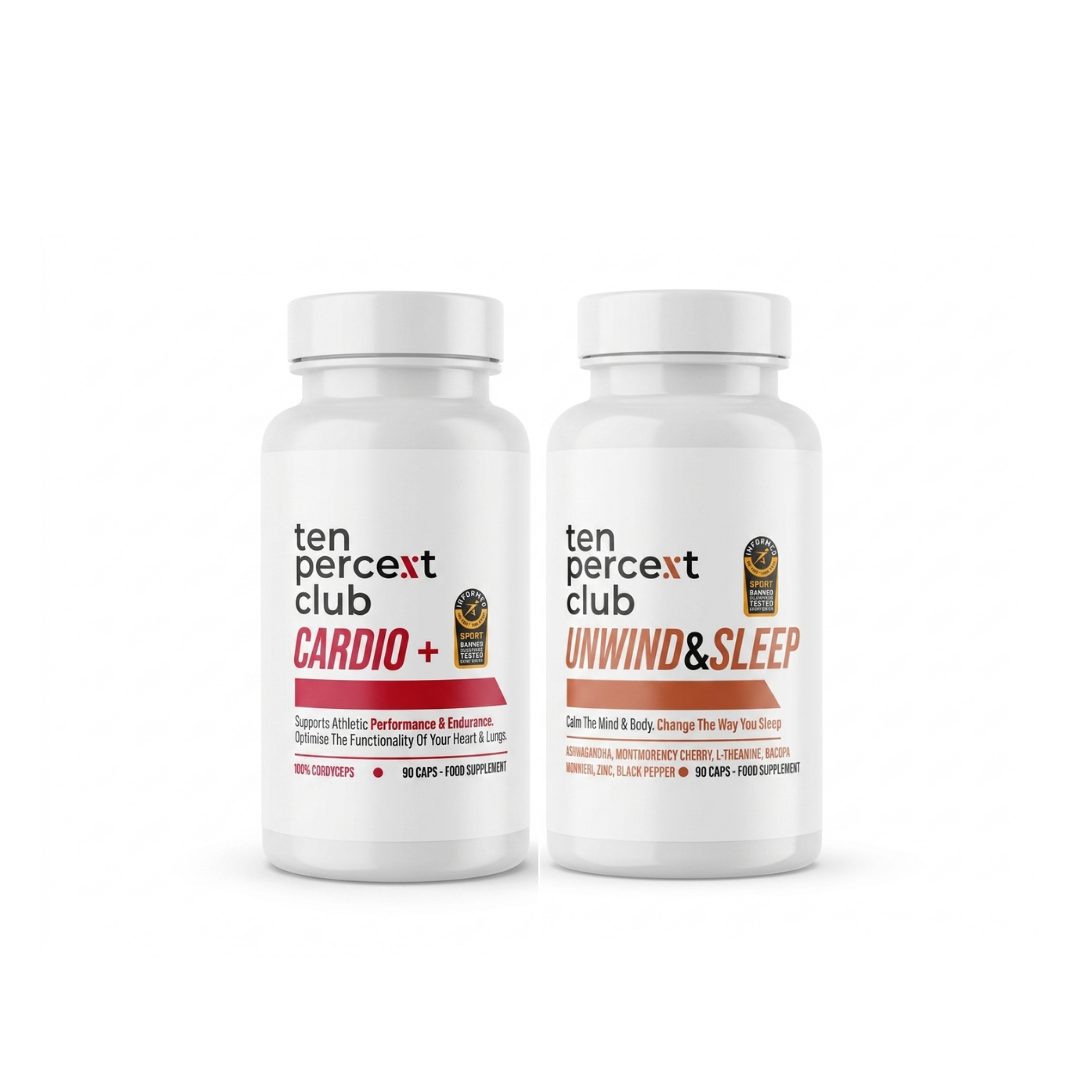
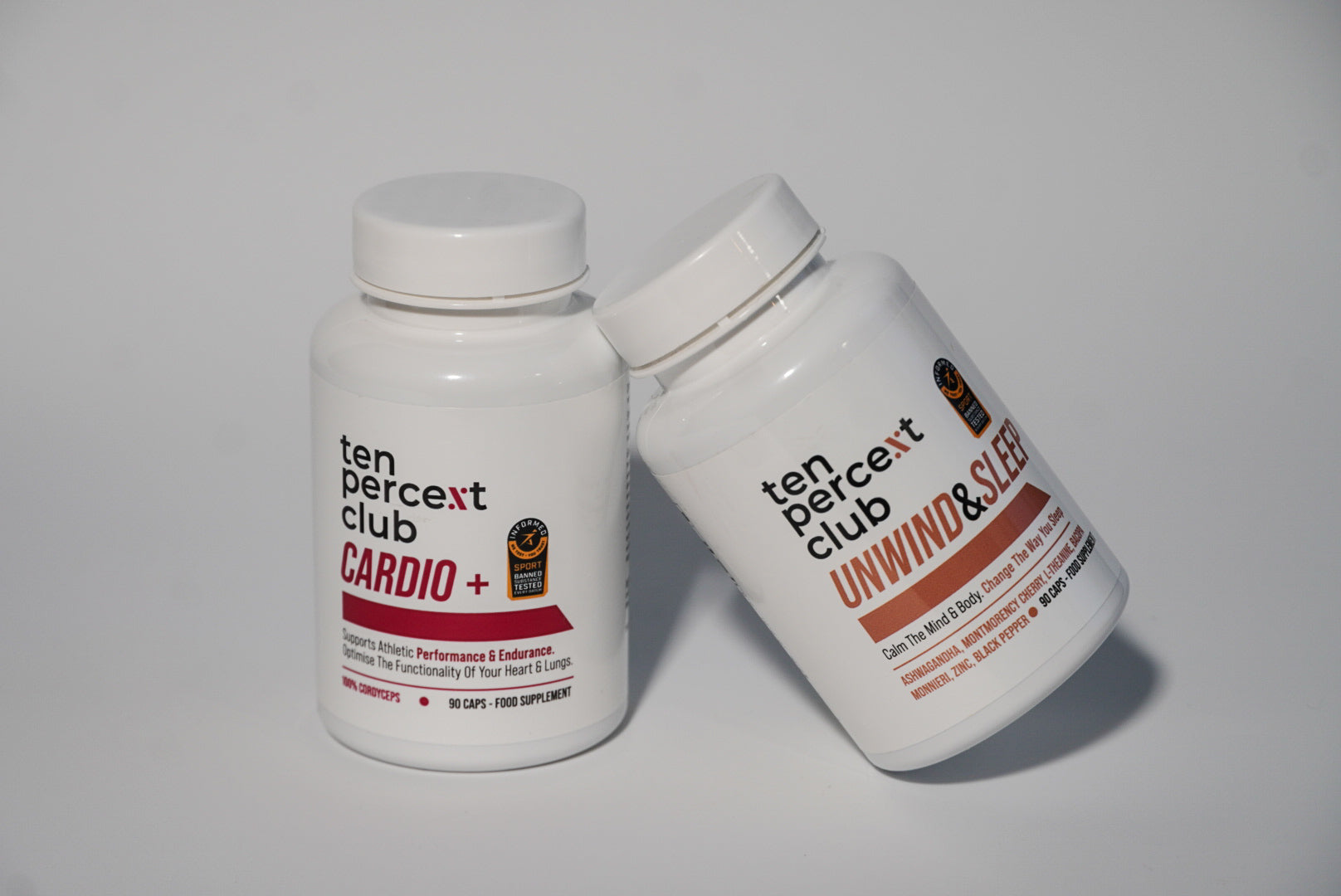
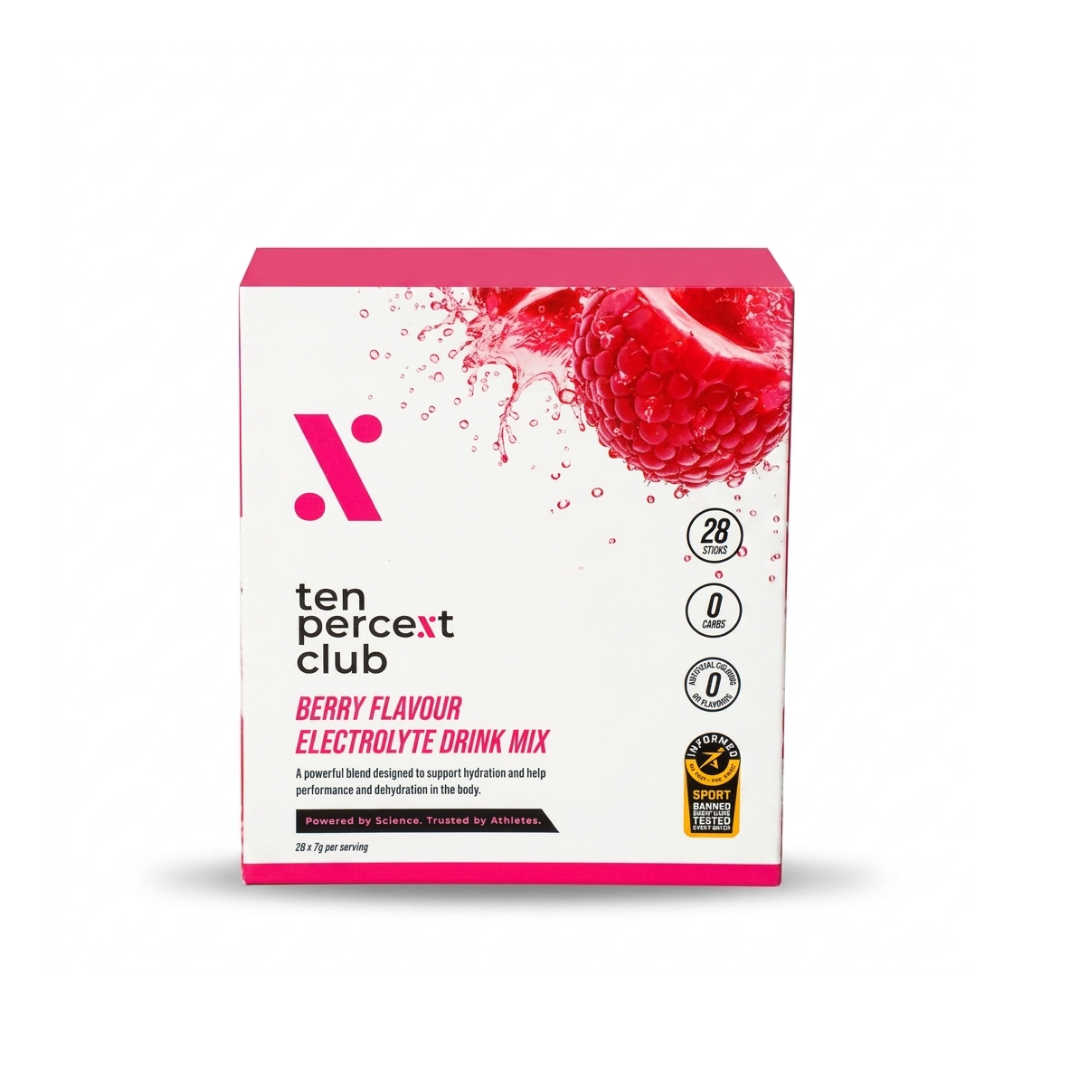
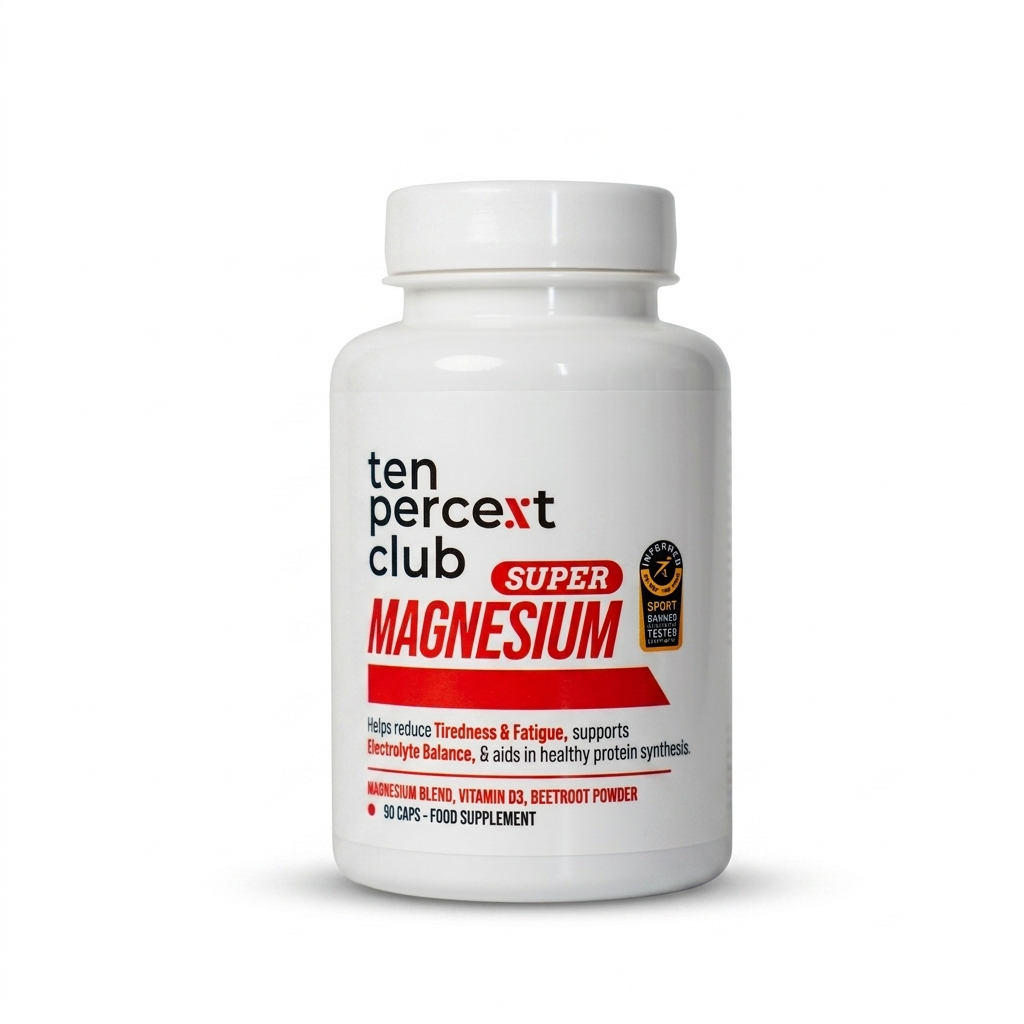
Ten Percent Club products are built around these principles: evidence-based ingredients at meaningful doses, in bioavailable forms, with fully disclosed quantities, and Informed Sport certified across the entire range.
Transparent. Tested. Effective.
No proprietary blends · Disclosed doses · Informed Sport certified across the entire range
Shop the Full Range →Further reading: What Is Informed Sport Certification? · Adaptogens for Athletes: Do They Actually Work?