
British summers are unpredictable — but when the heat arrives, athletes are routinely caught off guard. The UK's typically mild climate means most people train without thinking about heat and hydration for most of the year. When temperatures rise, the same approach suddenly doesn't work.
Here's what changes in summer — and what to do about it.
Why Summer Training Is Different
Your body's primary cooling mechanism is sweating. As ambient temperature rises, sweat rate increases significantly — even at the same exercise intensity. A session that produces moderate sweat loss at 12°C can produce two or three times as much at 25°C.
With that increased sweat output comes accelerated sodium loss. Sodium is the dominant electrolyte in sweat, and it's the one most directly linked to performance, cramping, and hyponatraemia risk. The hotter it is, the faster you deplete it.
The Risk of Over-Drinking Plain Water
The instinctive response to heat is to drink more water. But drinking large volumes of plain water without replacing sodium creates a different problem: dilutional hyponatraemia — where blood sodium drops to levels that cause nausea, headaches, confusion, and in severe cases, seizures.
This isn't just an elite athlete problem. It's documented in recreational runners, cyclists, and team sport players who drink aggressively in hot conditions without electrolyte replacement. The fix is not less water — it's the right kind of hydration.
Pre-Hydration: Start Before You Sweat
One of the most overlooked aspects of summer training is pre-hydration. If you begin a session already in a mild fluid deficit, your performance will suffer from the first minute — not just when you're obviously thirsty.
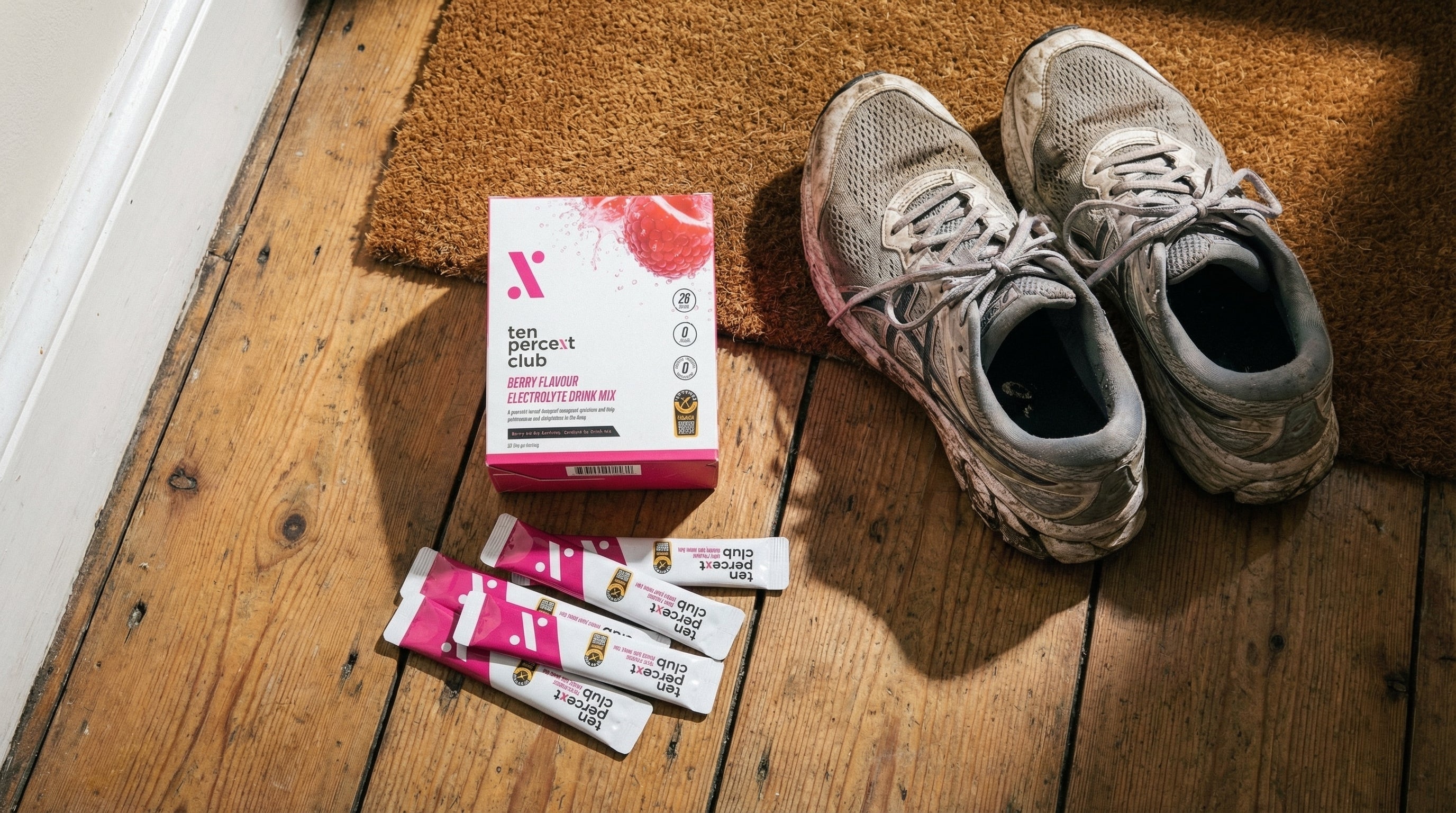
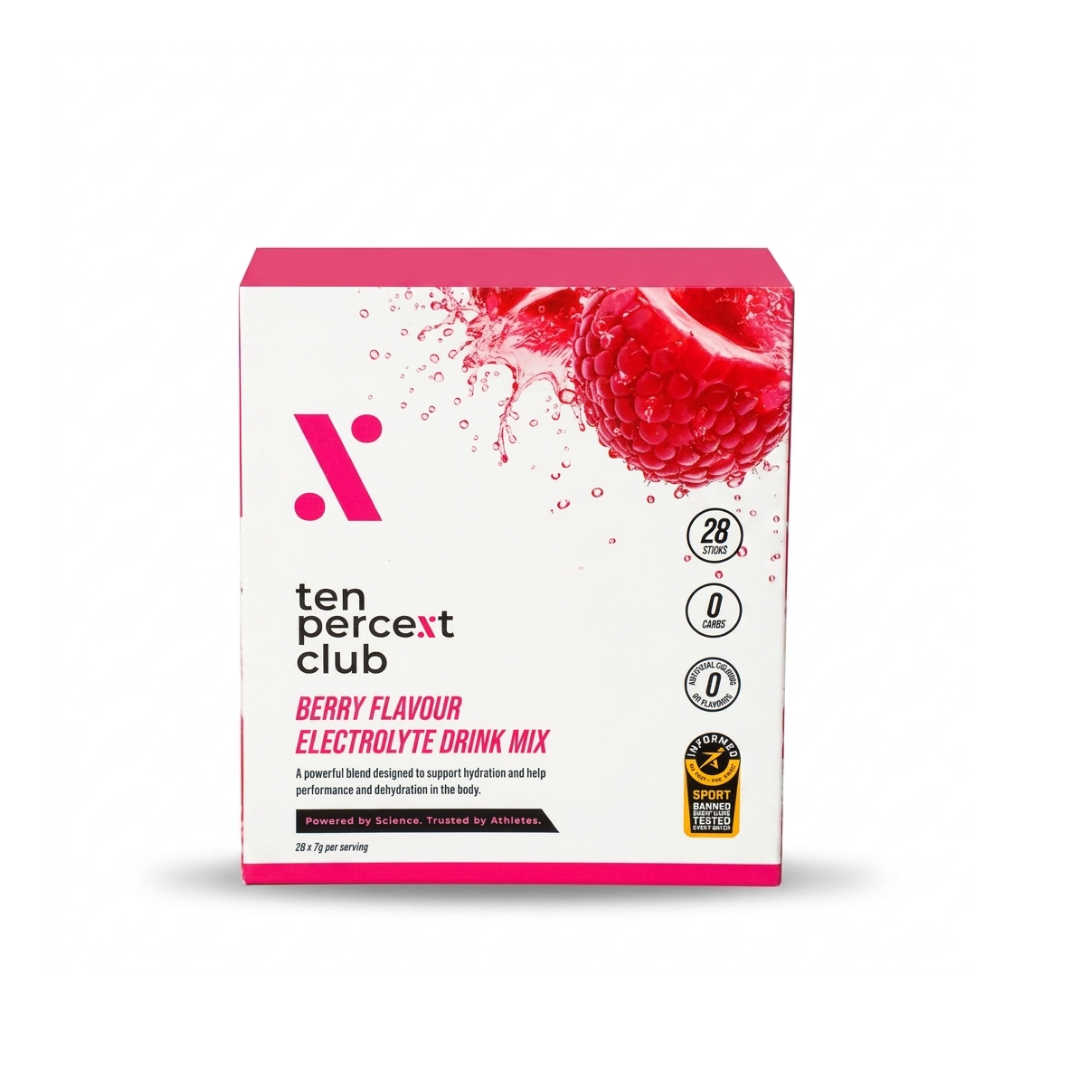
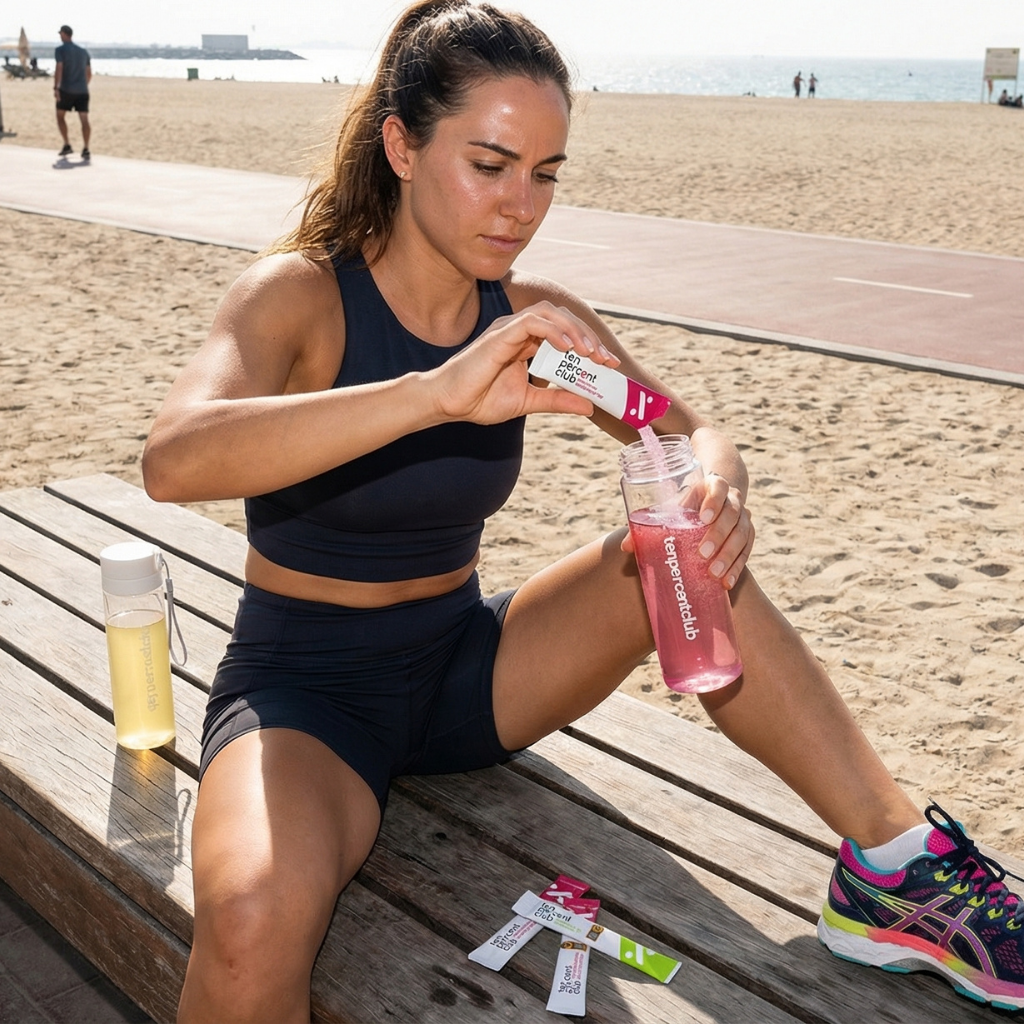
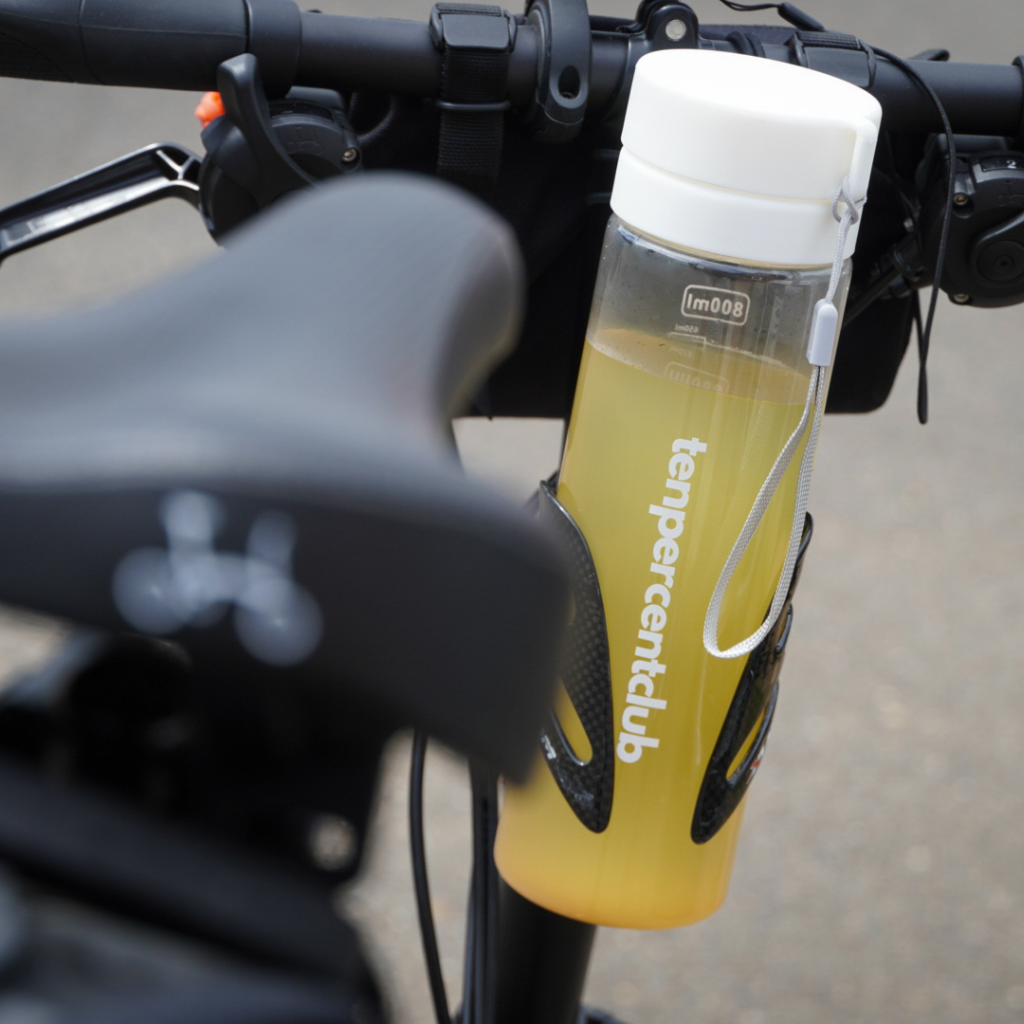
In the hour before a summer session, drinking 400–600ml of fluid with electrolytes sets you up far better than relying on thirst cues mid-session. Slip & Flow Electrolytes with 770mg sodium per serving is ideal for this — sodium drives fluid retention and ensures the fluid you drink actually stays in your system.
During Training
For sessions over 45–60 minutes in warm conditions, aim to drink to thirst — but make it an electrolyte drink, not plain water. The old advice of drinking on a schedule regardless of thirst has been revised; drinking to thirst is now considered the more appropriate approach for most athletes, provided the drink contains sodium.
Post-Training Recovery in Summer
Rehydration after summer training takes longer than you think. Research suggests full rehydration requires consuming approximately 150% of the fluid lost — i.e. for every litre lost in sweat, you need to drink 1.5 litres to account for ongoing urinary losses.
Again, that rehydration needs sodium to be effective. Combine Slip & Flow in water with a sodium-containing meal for optimal post-session recovery.
Additional Summer Considerations
- Acclimatisation: It takes 10–14 days for the body to adapt to training in heat — plasma volume expands and sweat rate increases. Don't judge your first hot sessions against your usual performance
- Timing: Train early morning or evening when temperatures are lower if possible
- Clothing: Light, breathable fabrics significantly reduce heat stress
- Alcohol: Alcohol's diuretic effect is more impactful in summer — factor it into your hydration the day after
Slip & Flow Electrolytes — Built for Summer Training
770mg sodium · Potassium · Magnesium · Vitamin C · No sugar · Informed Sport certified
Shop Slip & Flow →Don't let the British summer catch you out.
Proper hydration. Proper electrolytes. Informed Sport certified.
Shop Slip & FlowFurther reading: Why Electrolytes Matter More Than You Think · The Best Electrolyte Drinks in the UK
Winter Training and Immune Health — How to Stay Healthy Through the Cold Months
For UK athletes, winter presents a familiar frustration: your training is going well, fitness is building, and then illness arrives and takes you out for a week. It happens every year, to athletes at every level.
The good news is it's not inevitable. Here's what actually suppresses your immune system in winter — and what to do about it.
Why Winter Is Harder on Immune Function
Several factors converge in the UK winter to increase illness susceptibility:
- Vitamin D deficiency: The UK receives insufficient sunlight from October to March for the skin to synthesise meaningful vitamin D. Deficiency directly impairs immune cell function
- Cold, dry air: Cold air dries out the mucous membranes in your nose and throat — your first line of defence against airborne pathogens
- More time indoors: Increased proximity to others in enclosed spaces accelerates pathogen transmission
- Disrupted sleep: Shorter days affect circadian rhythm and sleep quality for some people, and sleep is critical to immune function
- Heavy training blocks: Many athletes do their hardest training in winter. Post-exercise immune suppression is a real and documented phenomenon
The Foundation: Vitamin D
Vitamin D is arguably the most important immune supplement for UK athletes in winter, yet it's not part of the Ten Percent Club range — so we'll say this plainly: get your levels tested and supplement accordingly. Public Health England recommends 400IU daily for the general population from October to March; athletes and those found to be deficient often need significantly more.
Where Ten Percent Club Products Help
Energy & Immunity Blend
Ten Percent Club's Energy & Immunity Blend is specifically formulated for immune support alongside sustained energy — combining vitamin C, zinc, and a range of botanicals with immune-modulating properties. Vitamin C has strong evidence for reducing duration and severity of upper respiratory infections in athletes under physical stress. Zinc is critical to immune cell development and function, and deficiency is common.
Cordyceps
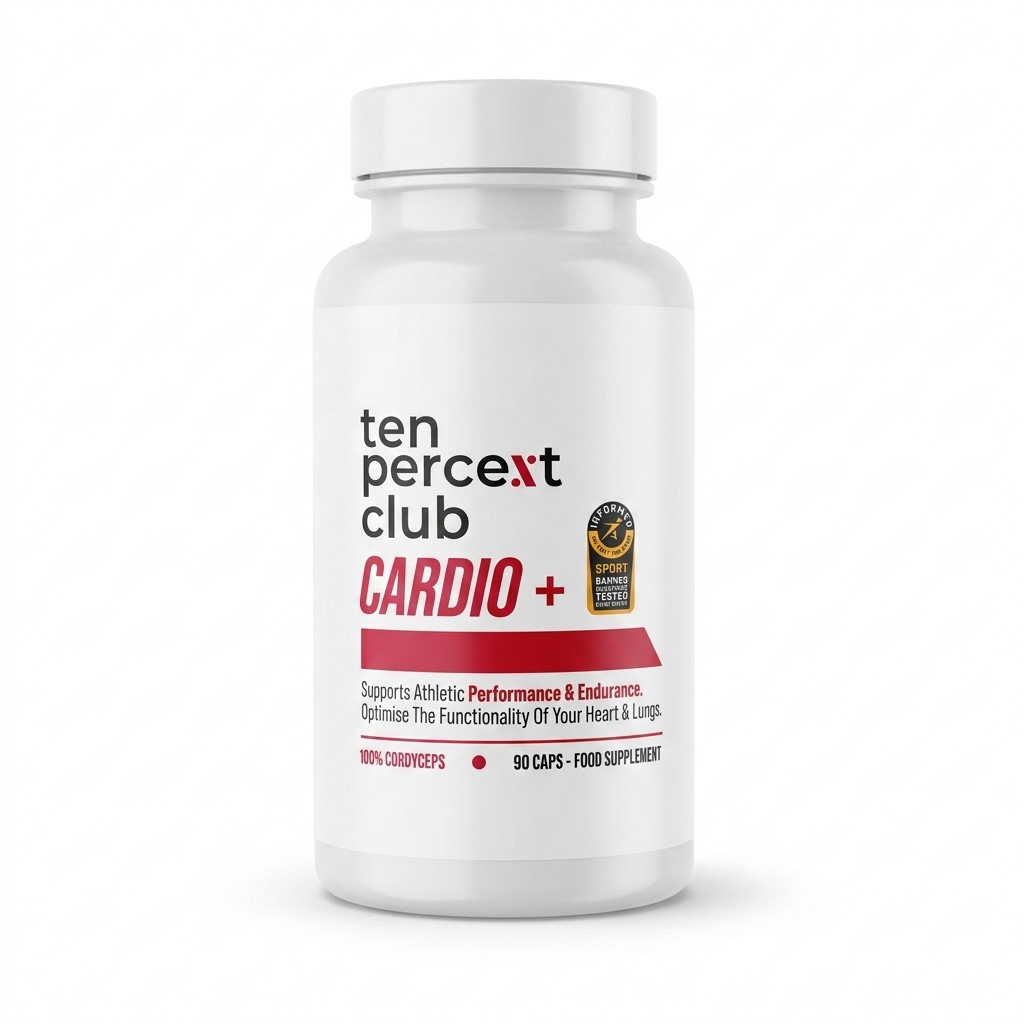
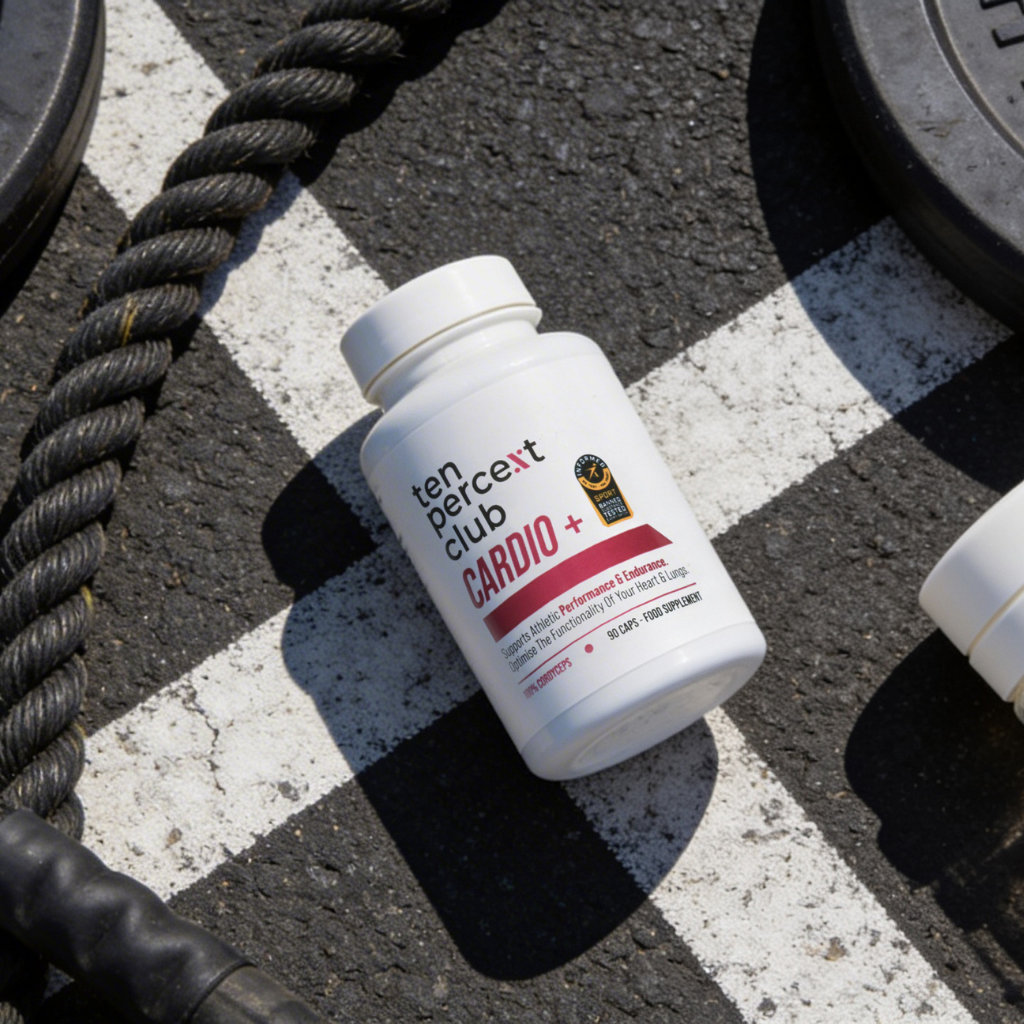
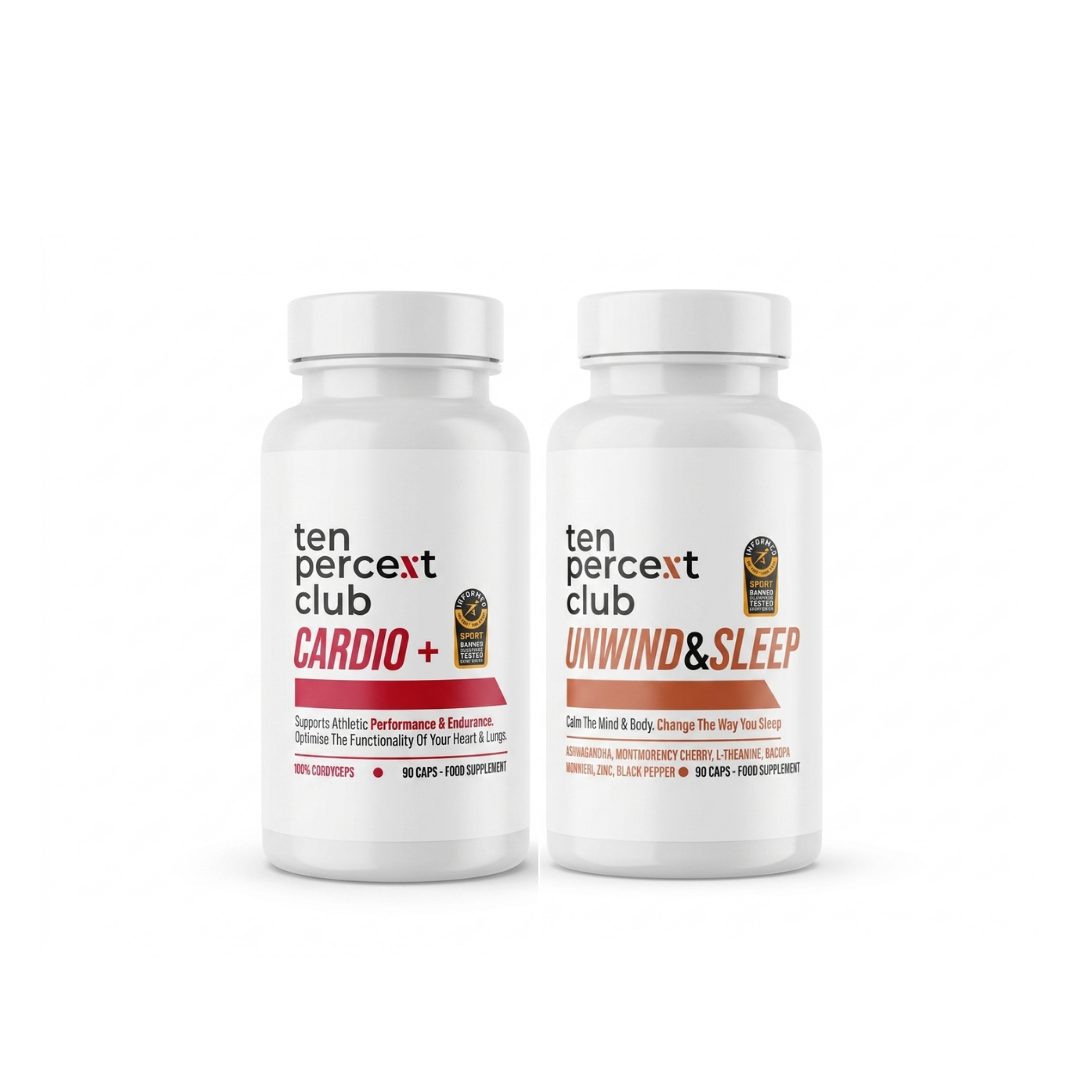
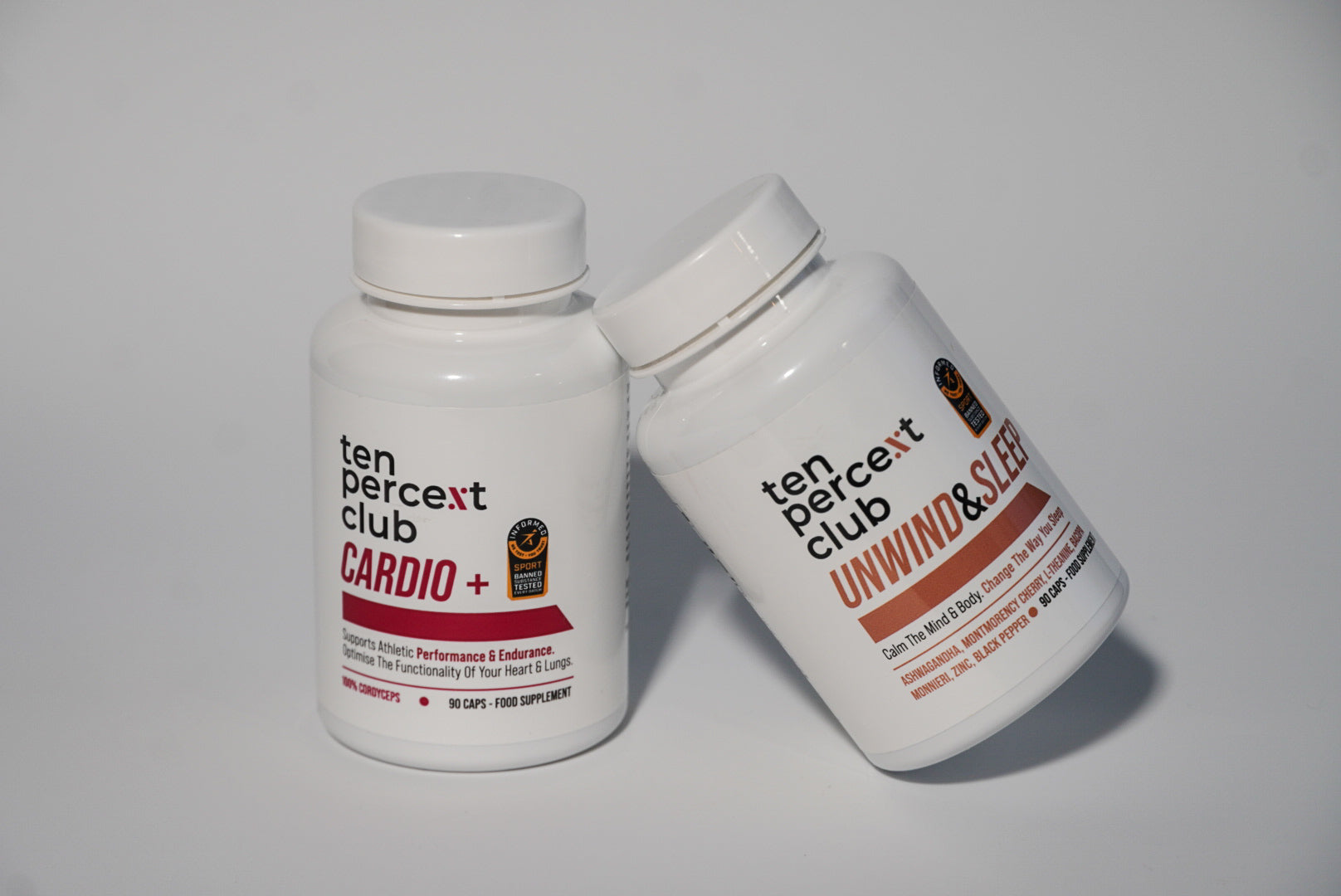
Beyond performance, cordyceps enhances natural killer cell activity — part of the innate immune system's front-line response. In heavy winter training blocks, supporting NK cell function is directly relevant. Cardio+ Cordyceps, Informed Sport certified.
Ashwagandha and Sleep Support
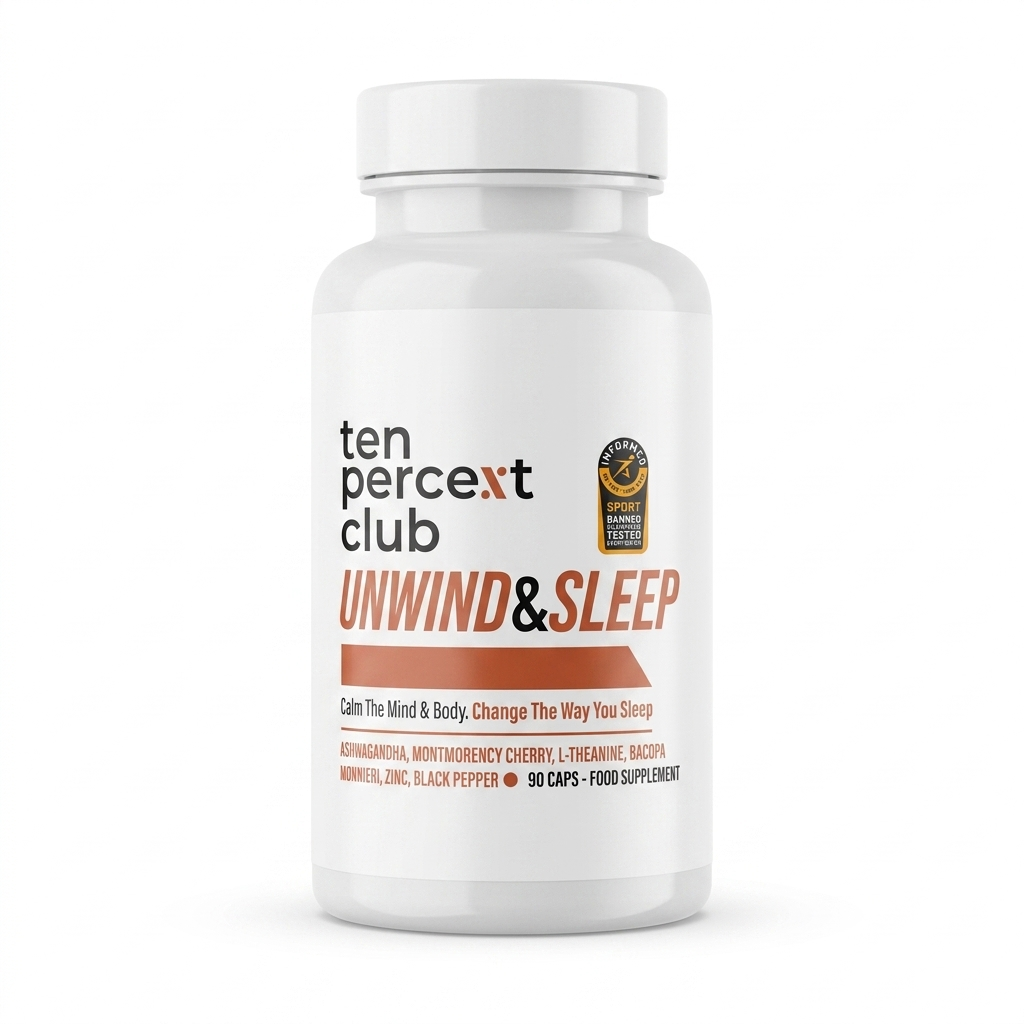
Chronic stress is one of the most potent immune suppressors. Ashwagandha's cortisol-reducing effects and sleep-supporting properties both have downstream immune benefits. Unwind & Sleep Blend addresses both simultaneously.
Irish Sea Moss
A natural source of iodine, potassium, and trace minerals that supports thyroid function and provides a broad micronutrient base. Irish Sea Moss, Informed Sport certified.
Practical Winter Immune Protocol
- Daily: Vitamin D (external), Energy & Immunity Blend, Irish Sea Moss
- Post hard training sessions: Prioritise immediate nutrition and rehydration — the post-exercise immune window is real
- High risk periods (travel, competition, illness in camp): Increase vitamin C and zinc, add cordyceps
- Sleep every night: Non-negotiable — one night of poor sleep measurably reduces NK cell activity
Ten Percent Club Winter Immune Stack
Energy & Immunity Blend — Vitamin C, zinc & immune botanicals
Cardio+ Cordyceps — NK cell support and immune modulation
Unwind & Sleep Blend — Cortisol and sleep for immune resilience
Irish Sea Moss — Trace minerals and thyroid support
Shop Immune Stack →Don't let winter derail your season.
Informed Sport certified immune support for UK athletes.
Shop Immune SupportFurther reading: How to Support Your Immune System as an Athlete · Adaptogens for Athletes: Do They Actually Work?