

Running is deceptively demanding on the body. Whether you're training for a 5K, a half marathon, or an ultra, the physiological demands — sustained aerobic output, repetitive impact, significant sweat loss, and elevated inflammatory response — create specific nutritional needs that diet alone often can't fully address.
Here's what the evidence actually supports for runners.
Electrolytes — The Most Underrated Running Supplement
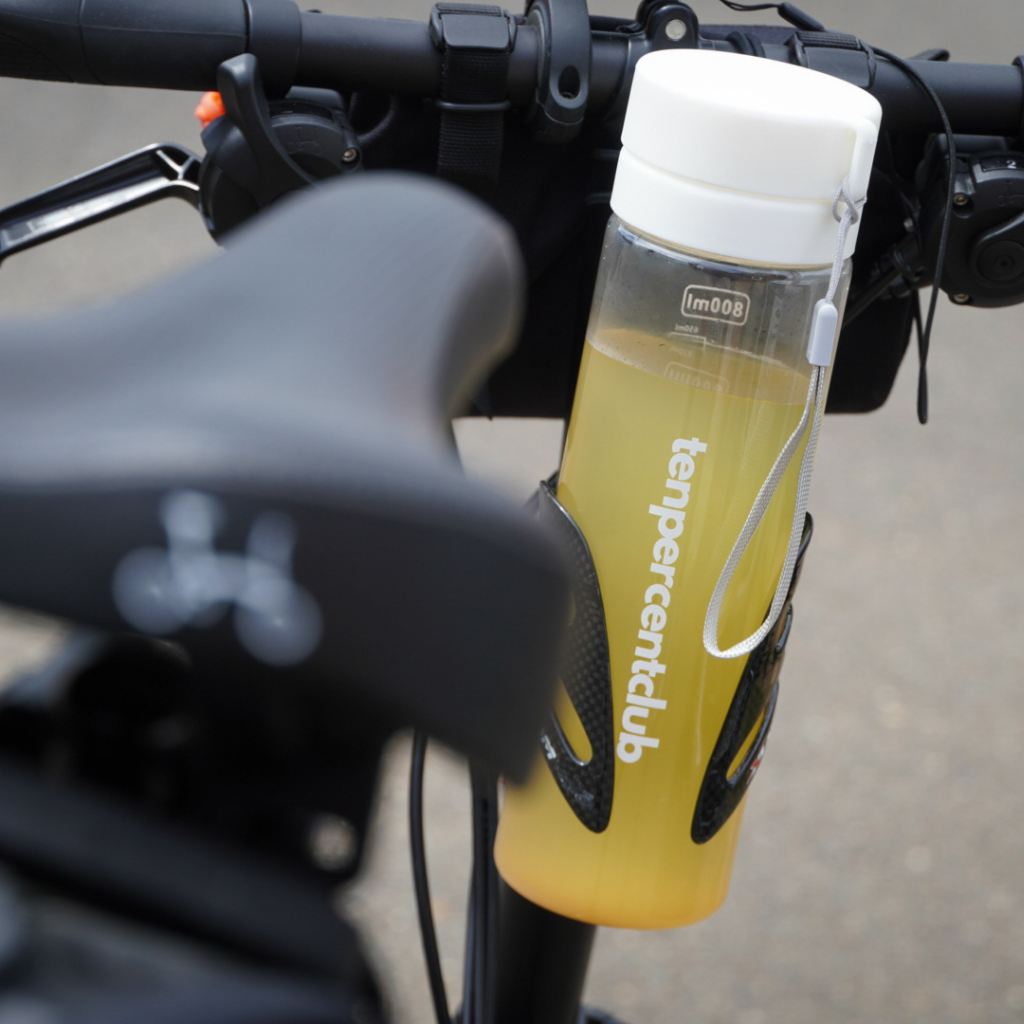
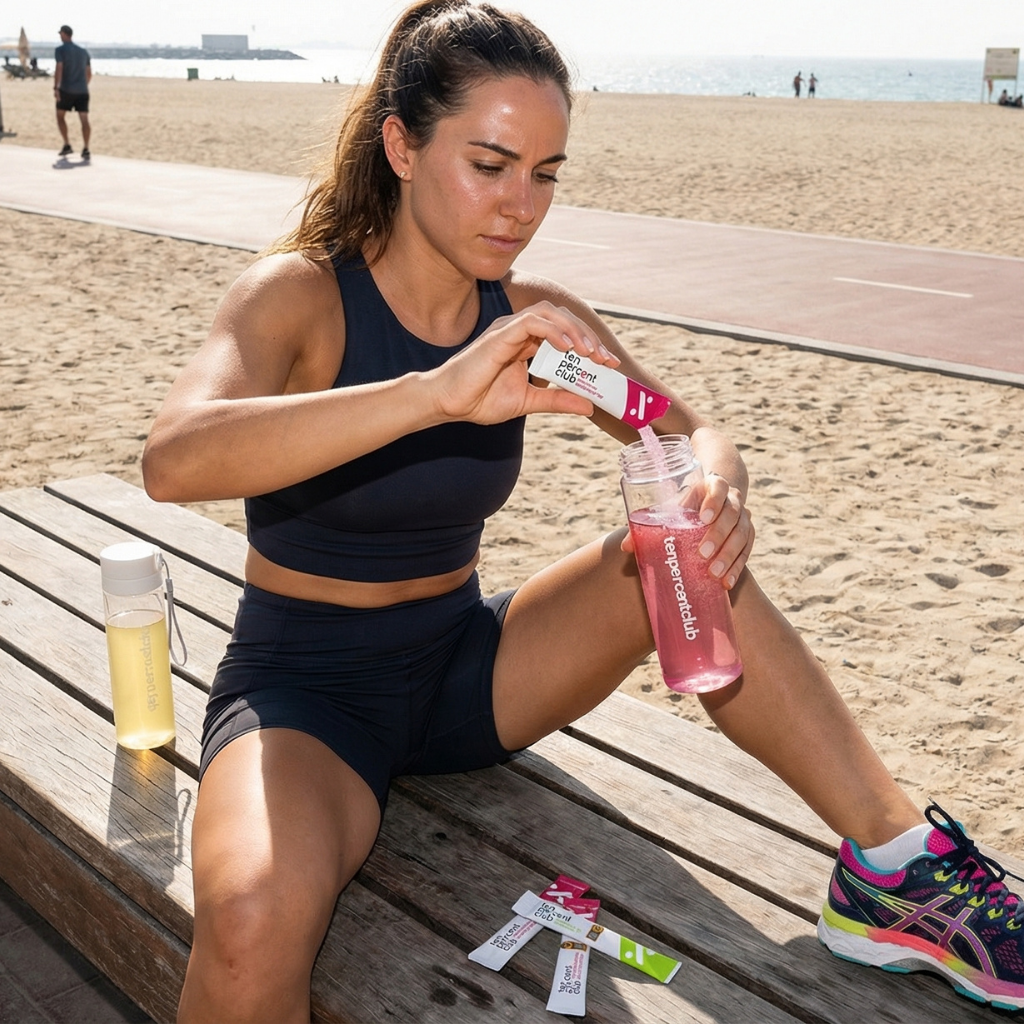
Sweat rates during running are among the highest of any sport. A competitive 10K runner in warm conditions can lose 1–2 litres of sweat per hour — and with it, significant sodium, potassium, and magnesium.
The consequences of not replacing these are well documented: performance decline, muscle cramps, nausea, and in extreme cases, hyponatraemia (dangerously low blood sodium from over-drinking plain water). For any run over 45–60 minutes, electrolyte supplementation isn't optional — it's fundamental.
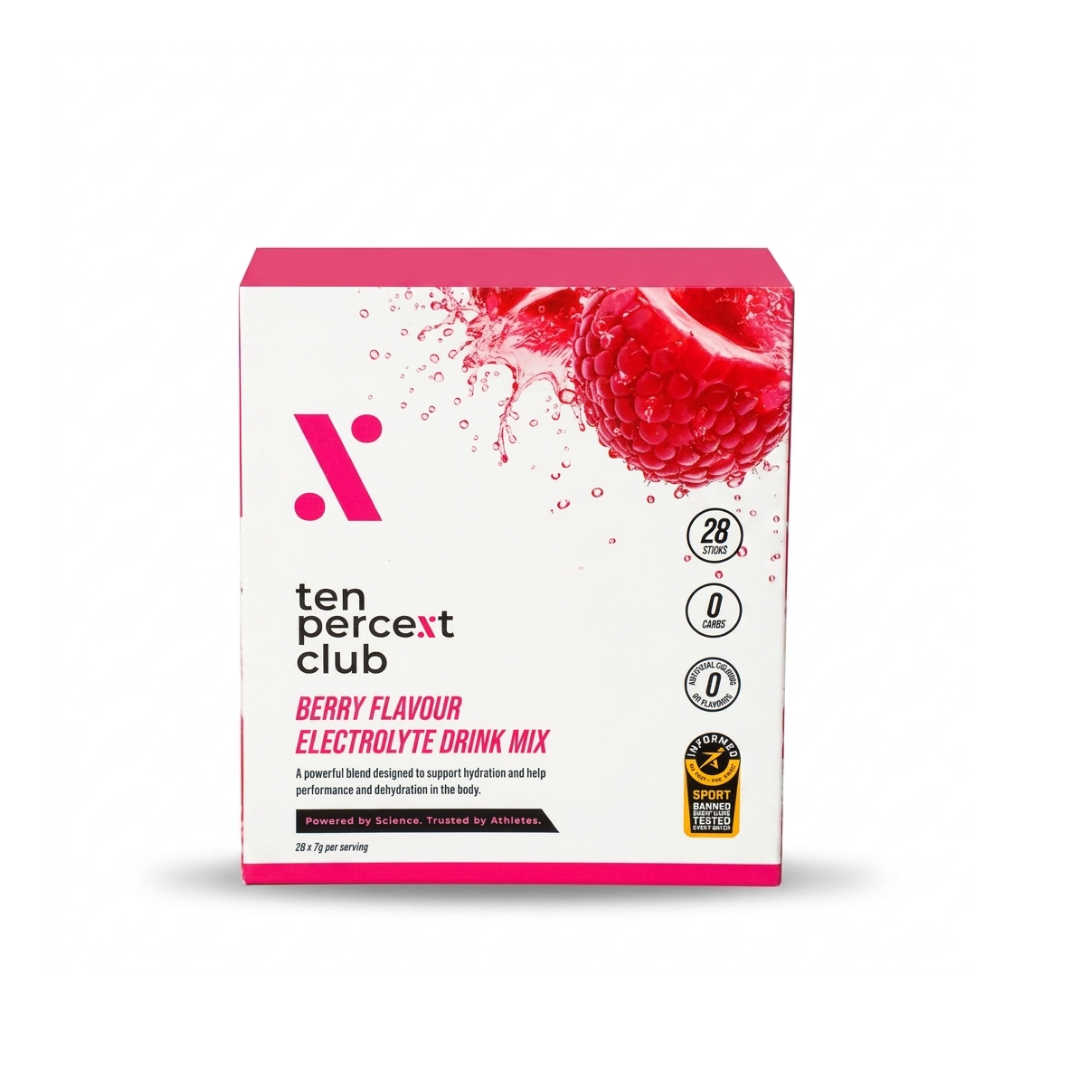
Slip & Flow Electrolytes contains 770mg of sodium per serving — a meaningful dose for runners, not a token amount. No sugar, no artificial colours, Informed Sport certified.
Magnesium — Recovery and Cramp Prevention
Runners are disproportionately affected by magnesium deficiency. Impact-based training increases magnesium losses, and the inflammatory response to running further depletes stores. Low magnesium is strongly associated with both exercise-induced cramps and poor sleep quality — two issues that plague high-mileage runners.
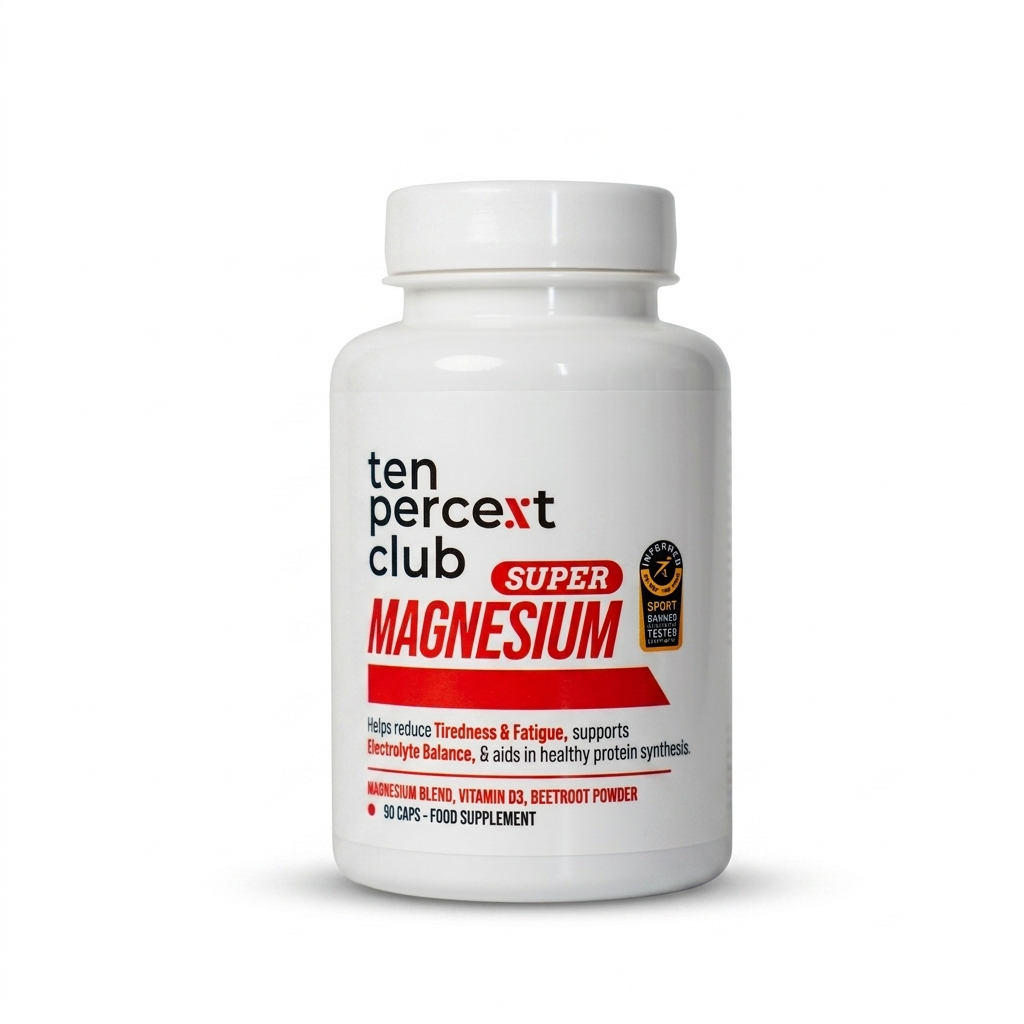
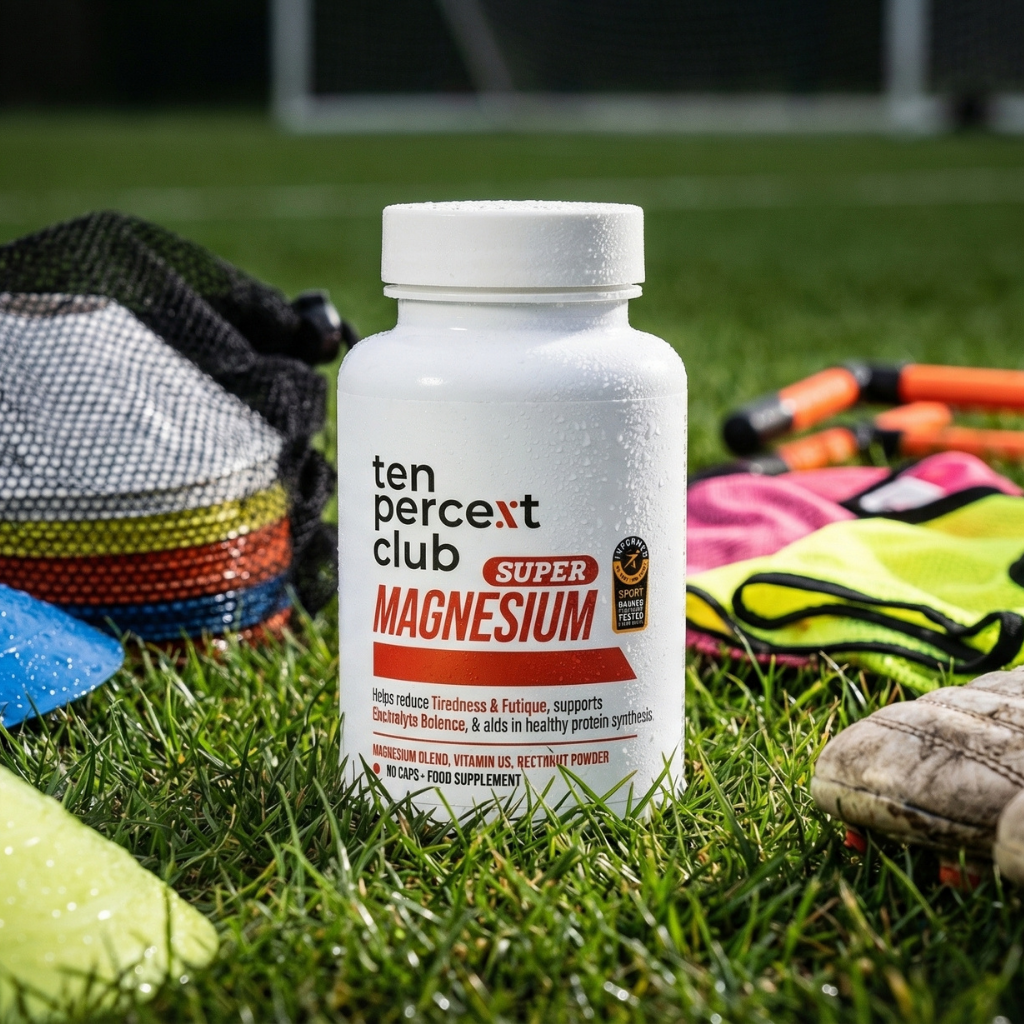
Super Magnesium (bisglycinate form) taken nightly supports sleep quality, reduces cramp risk, and supports the nervous system recovery that running demands.
Cordyceps — VO2 Max and Oxygen Efficiency
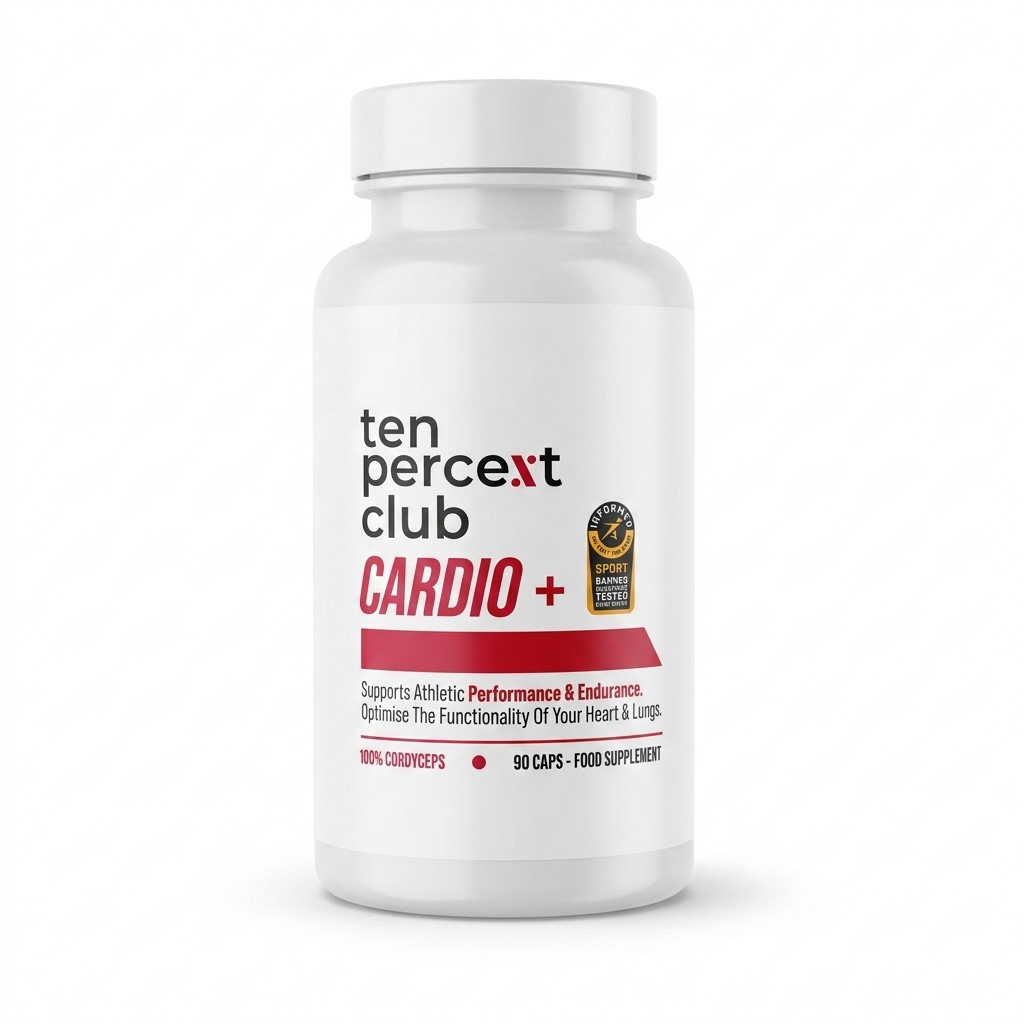
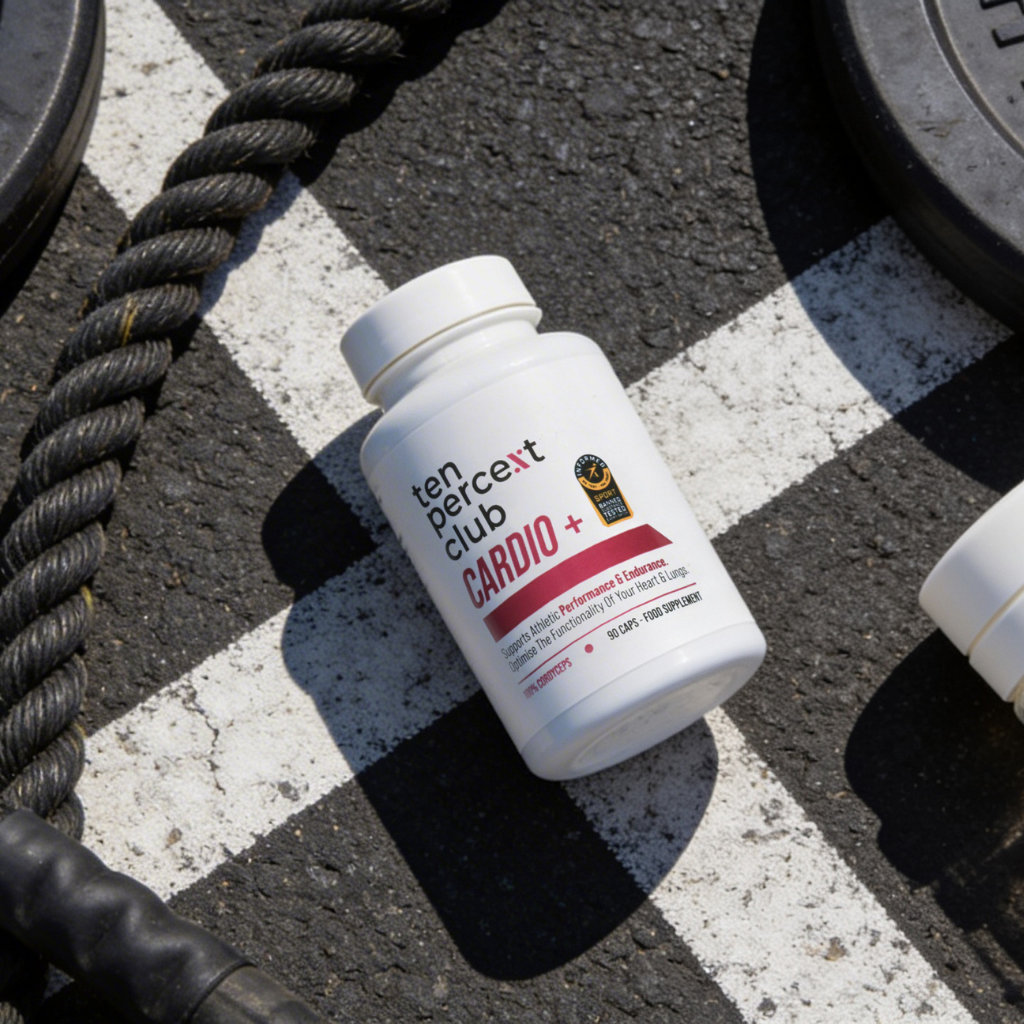
For endurance runners, oxygen utilisation is the limiting factor. Cordyceps has demonstrated the ability to improve VO2 max and ATP production in multiple studies — directly relevant to running economy and the ability to sustain pace in the later stages of a race.
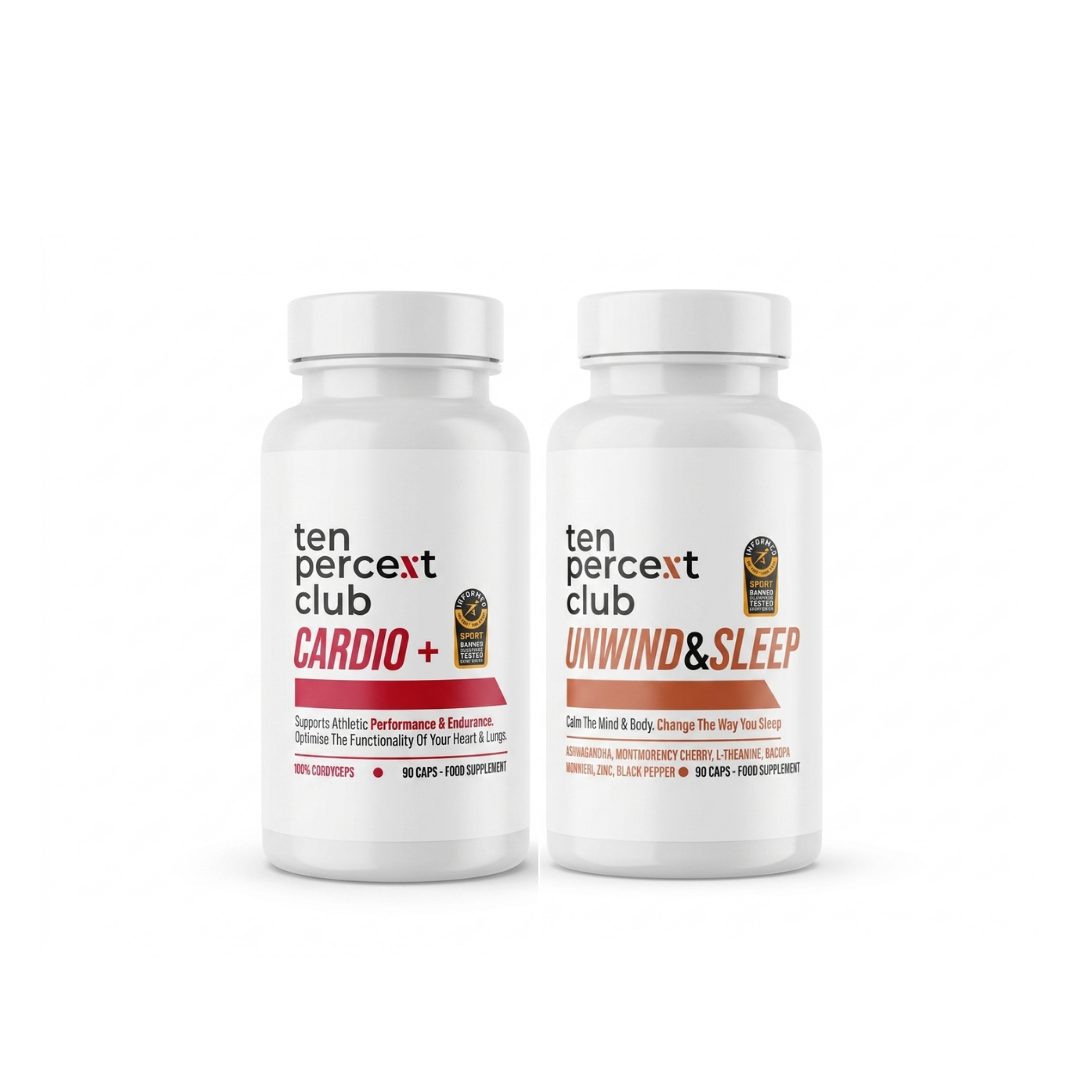
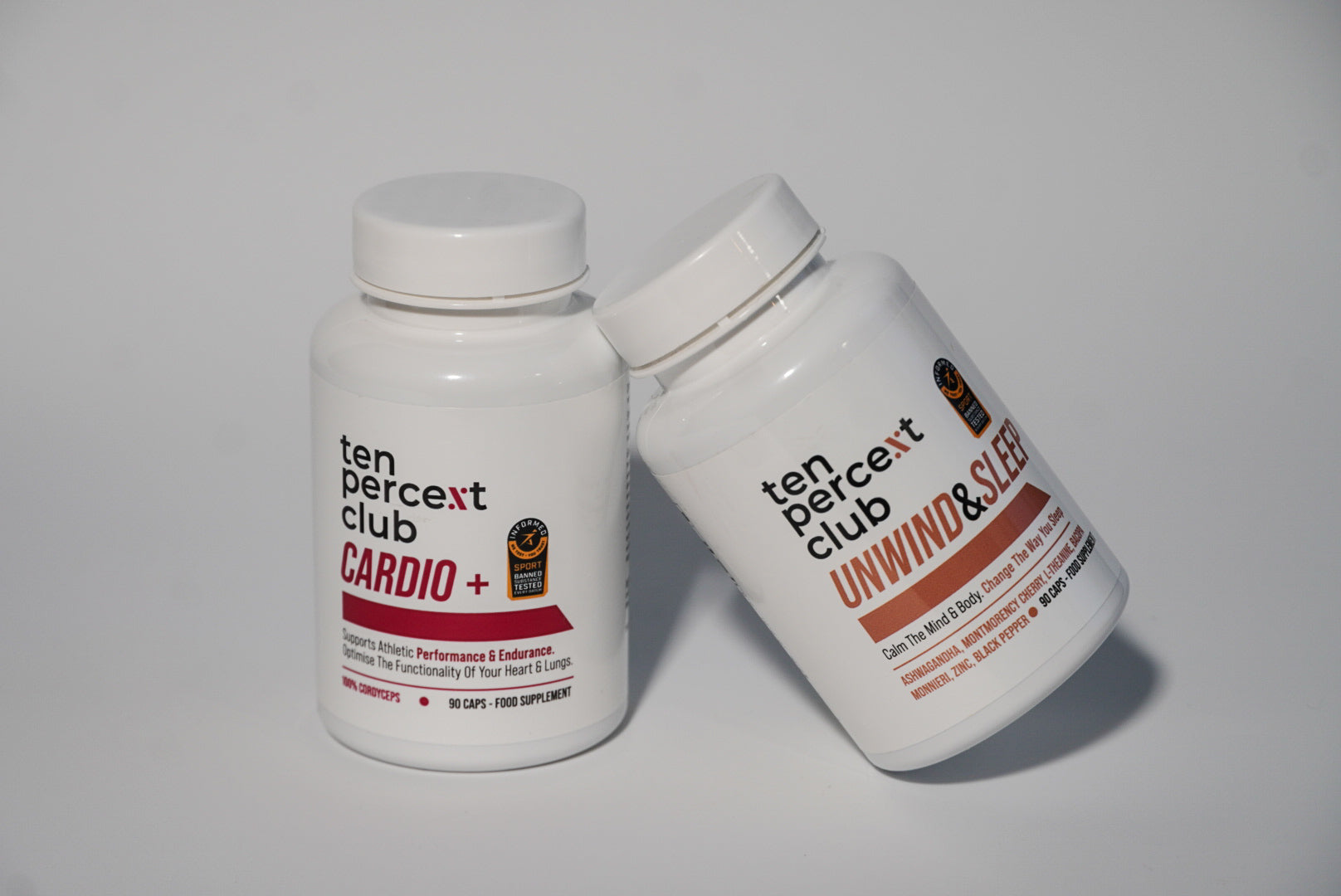
Cardio+ Cordyceps, Informed Sport certified, is the most relevant adaptogen for endurance athletes.
Creatine — Relevant Even for Runners
Creatine is typically associated with strength sport, but it has meaningful applications for runners too. Interval training, hill sessions, and speed work all rely on the phosphocreatine energy system. Creatine also supports cognitive function — useful for ultra runners dealing with fatigue-induced decision-making challenges — and has anti-inflammatory properties relevant to recovery from high mileage.
Creatine Max Capsules — pure monohydrate, no fillers, Informed Sport certified.
Ashwagandha — Stress, Cortisol, and Training Load
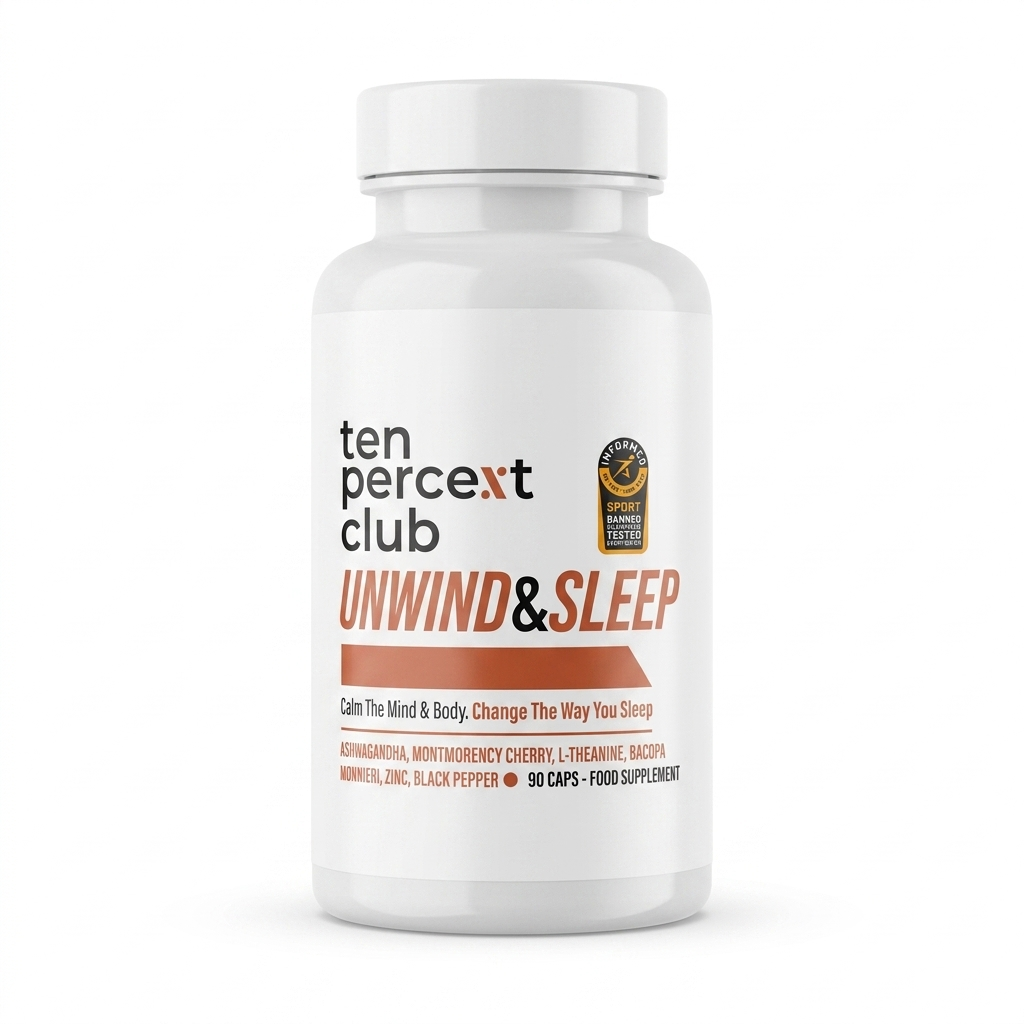
Marathon and ultra training blocks generate significant physiological and psychological stress. Elevated cortisol from high mileage impairs sleep, slows recovery, and increases injury risk. Ashwagandha's evidence for cortisol reduction and sleep improvement is directly applicable to runners in heavy training. Found in Unwind & Sleep Blend.
The Ten Percent Club Running Stack
Slip & Flow — Hydration for every run over 45 minutes
Cardio+ Cordyceps — VO2 max and endurance support
Super Magnesium — Recovery, cramp prevention & sleep
Unwind & Sleep — Training load stress management
Shop Running Stack →Every mile. Every session. Properly supported.
Informed Sport certified supplements for UK runners.
Shop the RangeFurther reading: Why Electrolytes Matter More Than You Think · Why Do I Get Muscle Cramps When I Exercise?
Creatine vs Pre-Workout — What's the Difference and Which Should You Take?
Creatine and pre-workout are two of the most popular sports supplements on the market — and one of the most commonly confused. Many people assume they do similar things, or that one replaces the other. They don't, and it doesn't.
Here's a clear breakdown of what each does, who each is for, and how they can work together.
What Pre-Workout Does
Pre-workout supplements are designed to produce an acute effect — something you feel within 20–45 minutes of taking it. The primary active ingredients in most pre-workouts are:
- Caffeine — the main driver of the energy and focus effect, delaying fatigue by blocking adenosine receptors
- Beta-alanine — causes the characteristic "tingling" sensation, buffers lactic acid in muscle during high-intensity efforts
- L-citrulline or citrulline malate — supports nitric oxide production and blood flow ("the pump")
- L-tyrosine or other nootropics — support cognitive focus and motivation
Pre-workout is a session enhancer. It makes individual training sessions feel better and can improve performance acutely — but it doesn't produce training adaptations on its own. Miss a session after taking pre-workout and you've gained nothing.
What Creatine Does
Creatine works completely differently. It produces no acute effect — you don't feel it the day you start taking it. Instead, it gradually saturates your muscle's phosphocreatine stores over 3–4 weeks of daily use, increasing the energy available for explosive efforts.
The result is cumulative and structural: more work capacity in each session, better recovery between sets and efforts, and over time, greater strength and muscle mass gains than training without it. The benefits build with consistent use — they don't require a session to "trigger" them.
The Key Differences at a Glance
- Timing: Pre-workout taken 20–30 mins before training; creatine taken any time, daily
- Effect: Pre-workout is immediate and acute; creatine is cumulative over weeks
- Mechanism: Pre-workout stimulates CNS and blood flow; creatine increases cellular energy stores
- Dependency: Regular pre-workout use builds caffeine tolerance; creatine has no tolerance effect
- Evidence: Both have good evidence, but creatine's evidence base is substantially deeper
Can You Take Both?
Yes — and many athletes do. They operate through different mechanisms and complement each other well. Pre-workout gets you into the session feeling sharp and energised; creatine ensures the work you do in that session produces maximum adaptation over time.
The one caveat: if your pre-workout already contains creatine (many do), check the dose. Most pre-workouts include sub-effective amounts of creatine as a label claim rather than a genuine performance dose. Supplementing separately with Creatine Max Capsules ensures you're hitting the 3–5g effective daily dose regardless of what else you're taking.
Which Should You Take First?
If budget is a consideration, start with creatine. It has a stronger evidence base, lower cost, and produces meaningful long-term performance improvements. Pre-workout enhances individual sessions but doesn't change your trajectory the way creatine does over months of training.
Ten Percent Club's Pre-Workout Gummies and Creatine Max Capsules are both Informed Sport certified — a non-negotiable if you compete in tested sport.
The Performance Stack
Creatine Max Capsules — Long-term strength, power & muscle gains
Pre-Workout Gummies — Acute energy, focus & performance
Shop Creatine → Shop Pre-Workout →Short-term edge. Long-term gains. Both certified clean.
Informed Sport certified · No fillers · Transparent dosing
Shop the RangeFurther reading: Creatine 101: Everything UK Athletes Need to Know · Does Creatine Actually Work?